

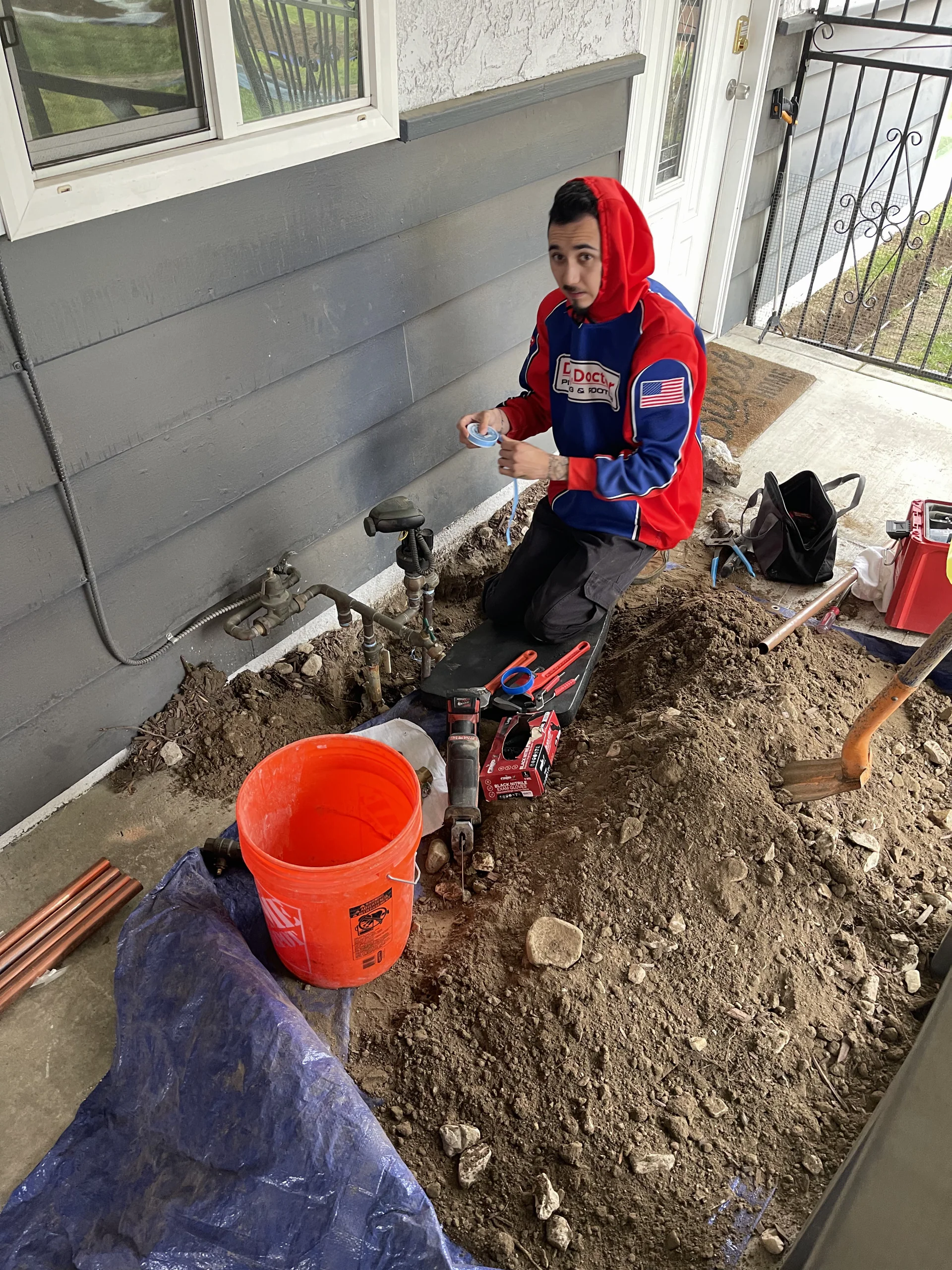
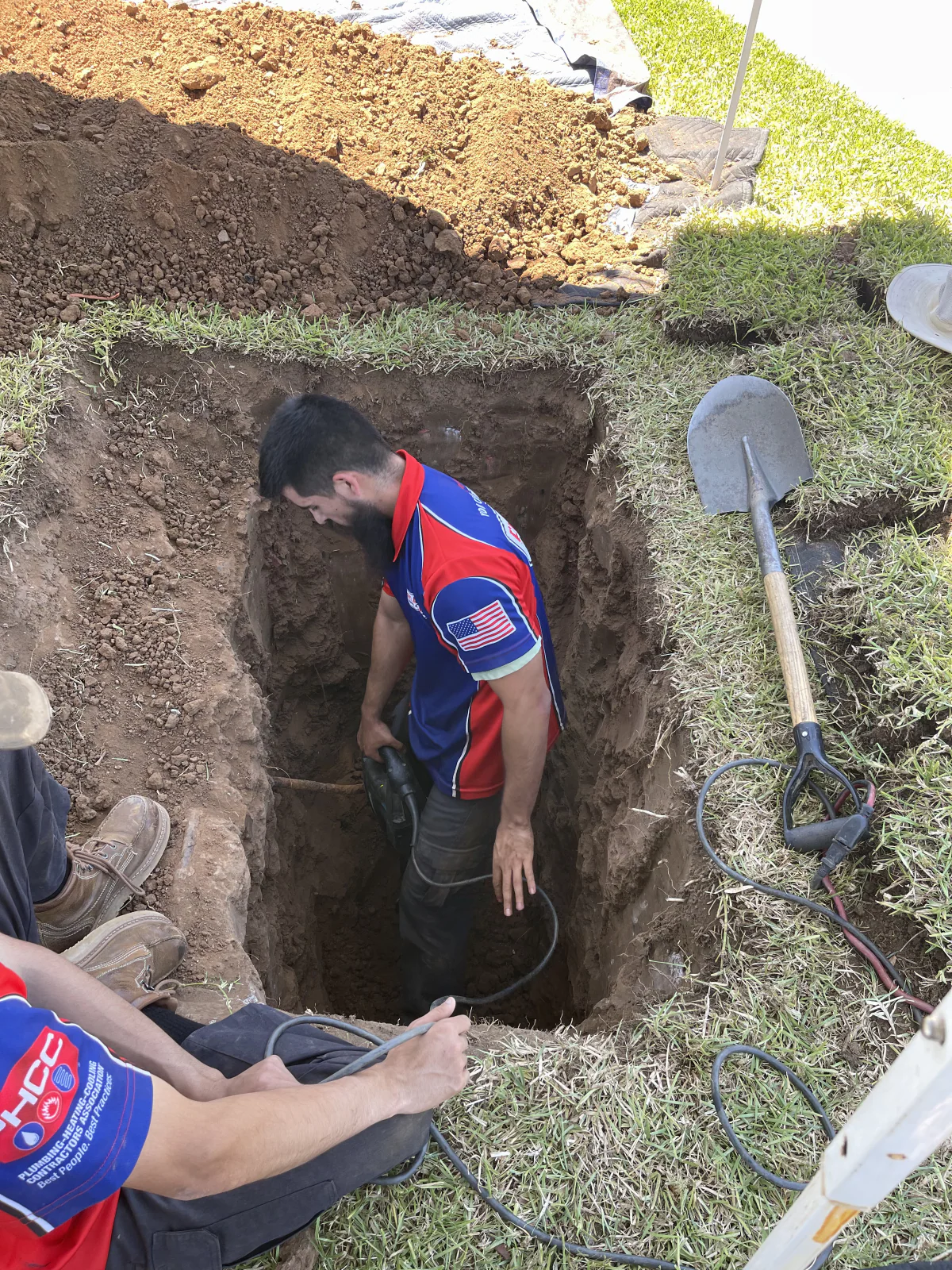

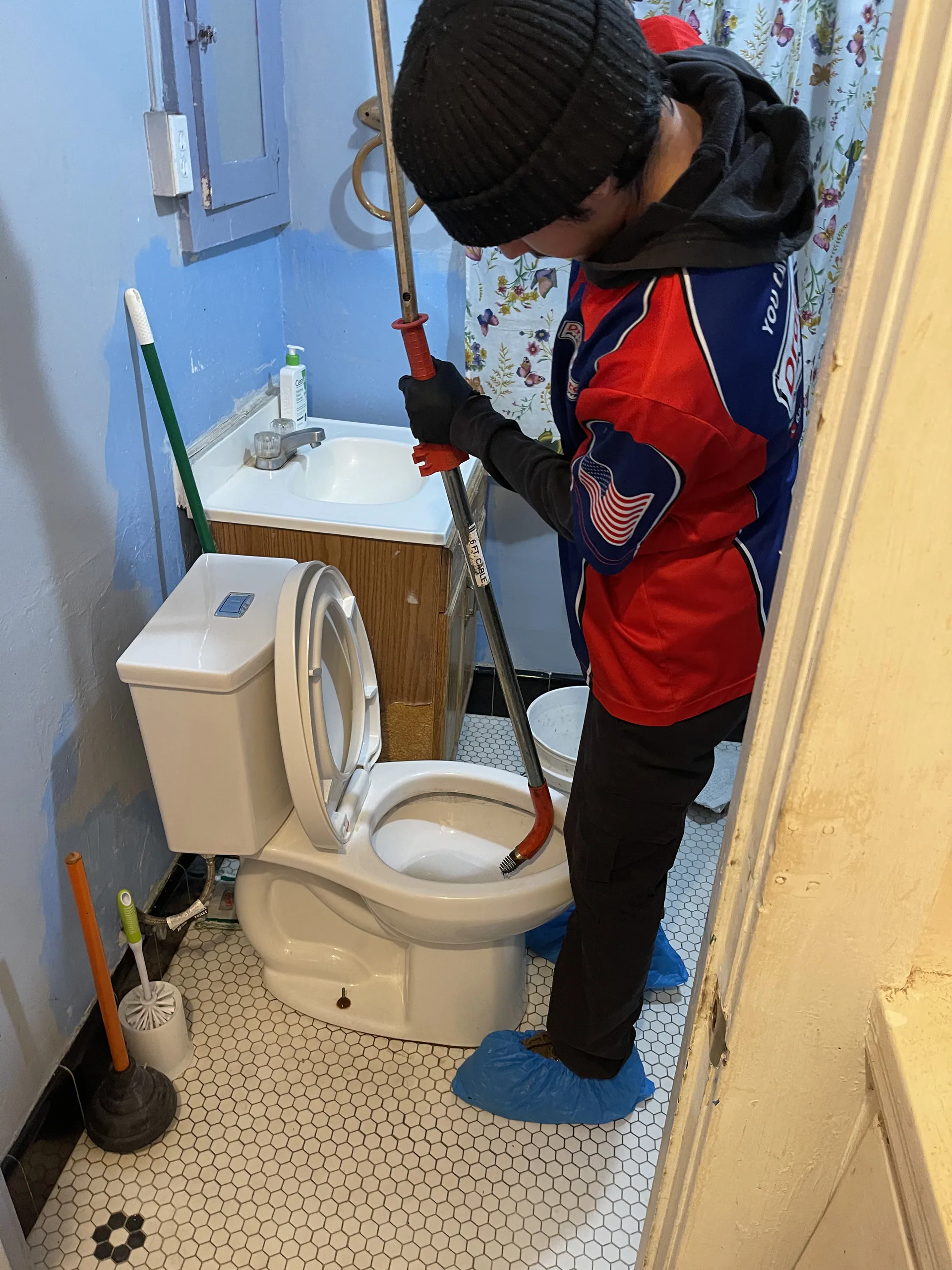
A San Gabriel Valley leak that shows up after laundry, after a shower, or only on a hot afternoon is easy to miss. The ceiling looks dry when we arrive. Catch the wet spot: which fixture was running, whether the meter moved with everything off, where the stain edge sat, and what the weather was doing. Track it before the evidence dries.
Drain Doctor Plumbing & Rooter tracks supply and drain leaks across Covina, Walnut, and the San Gabriel Valley as part of plumbing repair. Plumbing diagnosis should not silently absorb roofing, window, or HVAC condensate work. The first job is to record the evidence while it exists.
Photograph the wet moment, not only the dry ceiling
When you see water, take a wide shot and a close shot. Mark the time. Note whether a washer, dishwasher, shower, irrigation, or AC was running. If you can see the water meter with all fixtures off, note whether it still ticks. Do not open finished walls yourself to "find it." Do not keep using a fixture that is actively flooding a room.
Stain edges, bubbling paint, and a musty cabinet tell a direction even after the drip stops. Soft drywall under a bath above a kitchen is a different first test than a garage slab that is damp after irrigation. Hot-only versus cold-only stains at one fixture often point to a local supply. Water that appears at a lower level with no fixture in that room may be traveling along a pipe or a joist.
Isolation beats guessing the hidden route
We isolate fixtures, check pressure, inspect accessible valves and connections, and use camera or locating tools when the path is concealed. The least invasive test that answers the next question is the right next test. A responsible plan protects finishes. It does not require you to become a technician.
If several rooms stain at once, or the meter moves with the house quiet, the conversation may move toward a slab or underground supply. That can involve water-line repair or, when the pattern is house-wide, a repiping discussion. One pinhole is not automatically a whole-house project. See one pipe leak does not automatically mean the whole house needs repiping.
Roof, AC drain, and plumbing are different leaks
A stain under a roof valley after rain is not a plumbing call until someone has looked at the envelope. An overflow pan under an air handler that drips when the unit runs is often condensate. A supply line that weeps when the shower is on is plumbing. Keep those notes separate when you call so the first visit brings the right tools.
If a remodel already opened a wall, say so. If a water heater sits above the stain, send a closet photo. Related water heater leaks have their own signs: rust at the base, a wet pan, or a T&P line that discharges. Drain backups that look like "leaks" at a floor drain belong on the drain side. Use camera inspection when several fixtures gurgle together. Compare with our one faucet versus whole-house pressure post if the complaint is weak flow instead of water where it should not be.
What the paperwork should keep separate
The estimate should name which system we will test first and what opening of finishes is included. Finish repair, roofing, and HVAC drainage by others should stay visible. If we open a ceiling and find a second condition, you get a photo and a short written change before more work.
Closeout should mark shutoffs, repaired sections, and any opening before restoration. The next call should start with that map. We have served the valley since 1996. Call (626) 332-9984 or contact us. Coverage is listed on service area pages, including Covina and West Covina. More articles sit on the blog.
Occupied houses and the wait between drips
If the leak only appears once a week, we may need to schedule when that use happens, or leave a meter watch and a dry-down plan. That is still a plumbing visit, not a promise that we will catch a drip in a ten-minute window. Share the pattern honestly. A guessed "it always leaks" when it only leaks after the guest shower sends the first tests to the wrong room.
After a repair, keep the same photo habit for a few days. A stain that grows after we closed a supply line may be trapped water drying, or it may be a second source. Date the photos. Put them with the job file so the next technician is not starting from a blank ceiling.
What to send before we arrive
Photos taken while it was wet, the time, which fixtures had run, and whether the meter moved. Note recent work: a new toilet, a water-heater flush, a roof repair, a new AC. Leave pipe type blank if you do not know it.
Intermittent leaks hide when the house is quiet. Catch the pattern once and the visit starts with evidence instead of a dry stain and a shrug.