
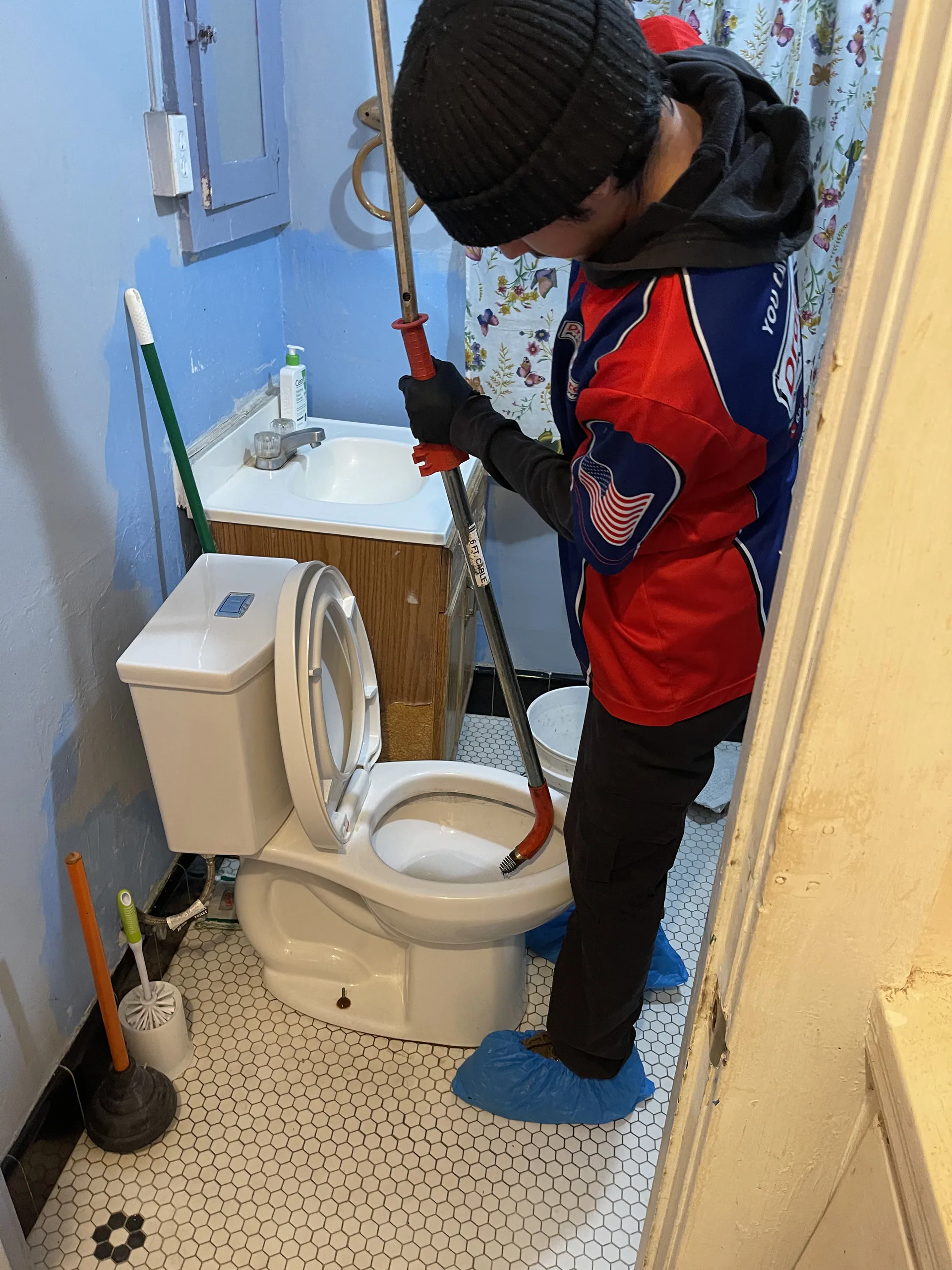
Measure the Covina closet like a jobsite before you order a tank. Door width, ceiling height, the vent, the pan, and the shutoffs decide what can be installed. Pick a unit from a product photo first and you often discover the gas line, the vent path, or the electrical service cannot support it after the old tank is already on the truck.
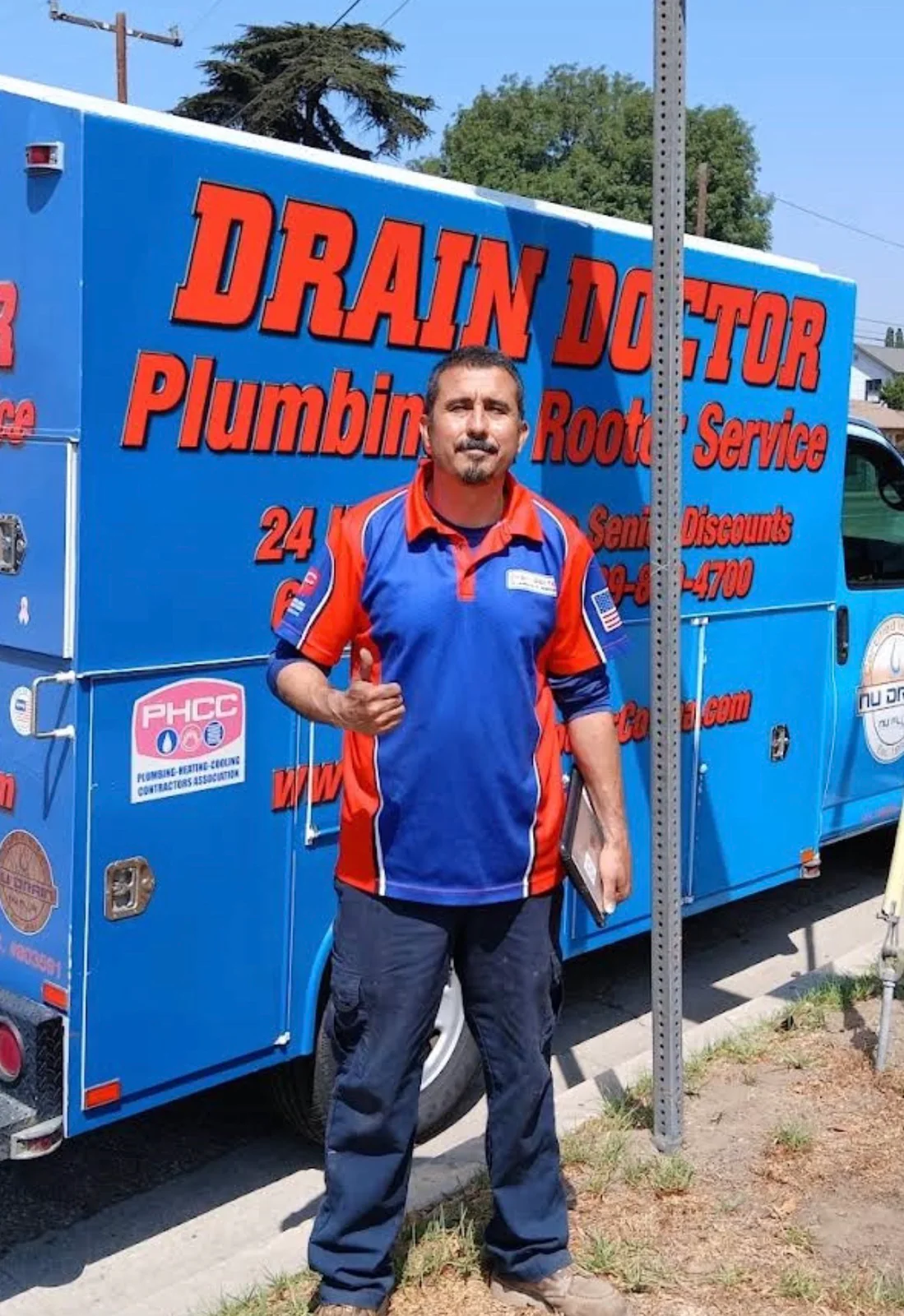
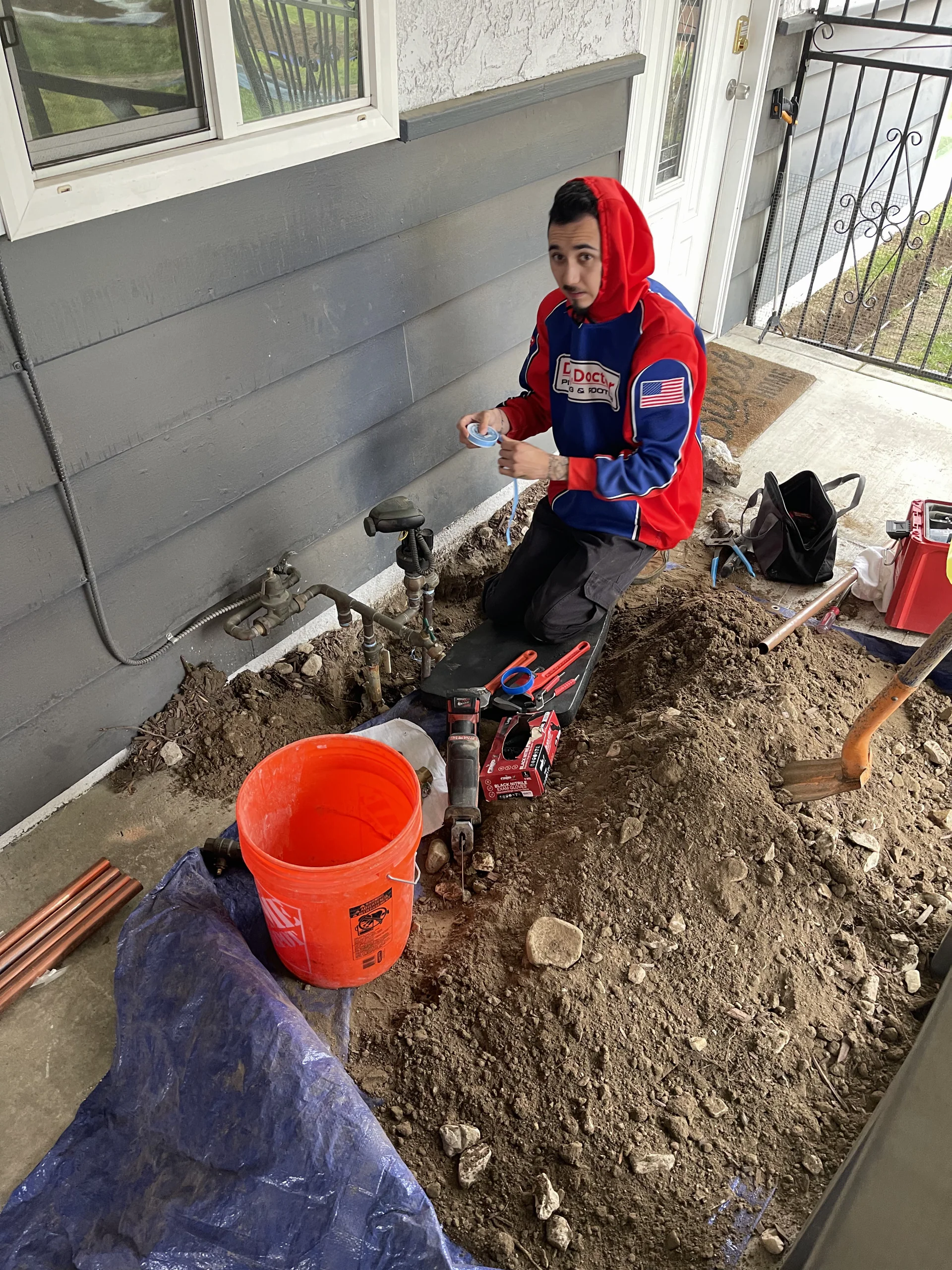
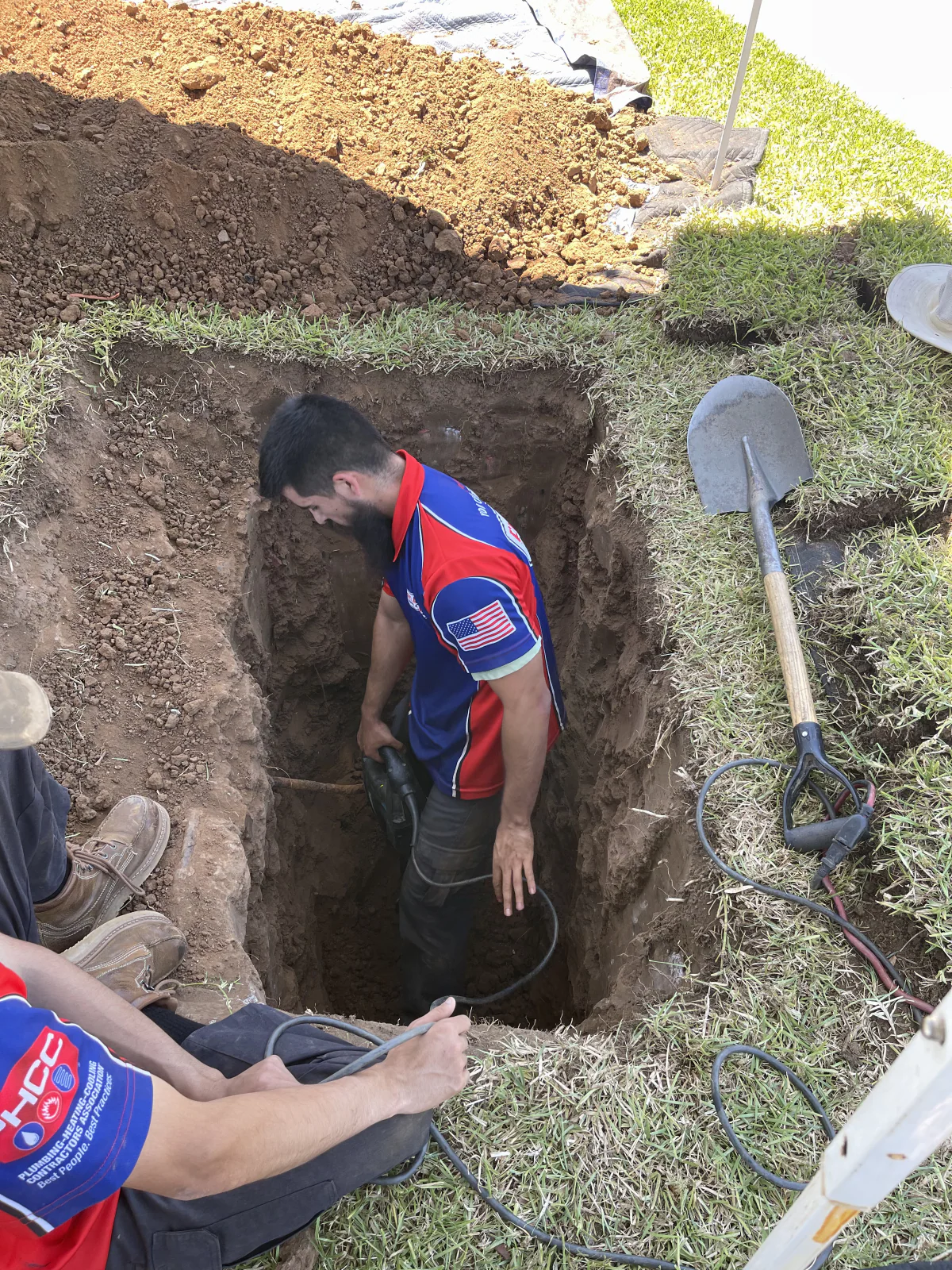
Drain Doctor Plumbing & Rooter has repaired and replaced water heaters across Covina, Walnut, and the San Gabriel Valley since 1996. This article is about the space and utilities around the equipment, not a brand bake-off. Start with water heater repair and replacement as a site problem, then choose the unit.
Measure the closet like a jobsite, not a showroom
Door width, ceiling height, and the path from the garage or side yard decide whether a replacement tank even fits. A 50-gallon unit that looks fine online can fail at a 24-inch door or a tight water-heater closet with a water softener beside it. Measure the opening, the closet, and the turn in the hallway. Note what has to be disconnected to roll the old tank out.
Photograph the existing unit, the pan, the flue or vent, the electrical disconnect or gas shutoff, and the nearest drain. Homes in West Covina and Glendora often share a closet with a furnace. Service clearances still matter after the new unit is in. A tankless conversion that frees floor space still needs wall space, venting, and a place to drain condensate.
Fuel, venting, and the loads the house already has
Gas line size, meter capacity, combustion air, and vent routing are not optional footnotes. Electric units ask the panel for a large circuit. A tankless conversion can require all of the above plus condensate handling. The proposal should separate the heater itself from supporting utility work. Our post on tank versus tankless covers the use-pattern side. This one is the room: what the closet and the utilities will actually accept.
Write the busiest hour of hot-water use. Two showers plus a dishwasher is a different demand than one person at a time. Distance from the heater to the far bathroom still creates wait time on either equipment type. Related repiping or water-line repair belongs in that conversation only when distribution, not the tank, is the reason the far bath never gets hot quickly.
Pans, shutoffs, expansion, and seismic straps
A drain pan that dumps into a finished ceiling is a finish problem waiting for the next leak. Confirm where the pan drains. Confirm the cold and hot shutoffs actually turn. Expansion control, straps, and T&P discharge routing are part of a complete install, not extras to discover at inspection. If the main house shutoff is frozen, replace it before a remodel or a heater swap depends on it. See replace the main shutoff before a remodel depends on it.
Do not keep using a tank that is leaking at the bottom. Catch what you can, shut the water and energy source if you can do so safely, and call. Recreating a leak for a video is not useful. A photo of the wet base and the closet is enough.
What a written replacement scope should separate
Equipment price is not the installed job. Permit, haul-away, pan, shutoffs, vent corrections, electrical or gas changes, and drywall or platform repair should be visible. Optional recirculation, a tankless conversion, and unrelated fixture upgrades stay on their own lines until you confirm them.
If we open the closet and find a rusted platform, a disconnected flue, or a pan that has never drained anywhere, that finding gets its own explanation and price. Ordinary plumbing repair may still be the right first step when the tank itself is sound and a valve or element failed.
Sequence with the rest of the house
If a kitchen or bath remodel is already opening walls, pull heater access and any nearby supply changes into that phase. If the closet is in a garage that also needs a cleanout kept clear, do not bury access under storage after the install. Keep the cleanout accessible if yard work is in the same season.
We dispatch from Walnut and serve Covina, West Covina, Glendora, Pomona, Chino Hills, and communities on our service area pages. Call (626) 332-9984 or contact us with closet photos and the hot-water routine. More related reading is on the blog.
What to send before we quote a replacement
Photos of the full closet, the vent, the panel or gas meter if you can reach them, and the path out of the house. Note how many people shower in the same hour. Say tank or tankless if you already have a preference, and say if that preference is flexible after we look at the space. Leave gas-pipe size blank if you have not measured it.
The space around the tank decides the job. Get that right and the equipment choice gets simpler.