
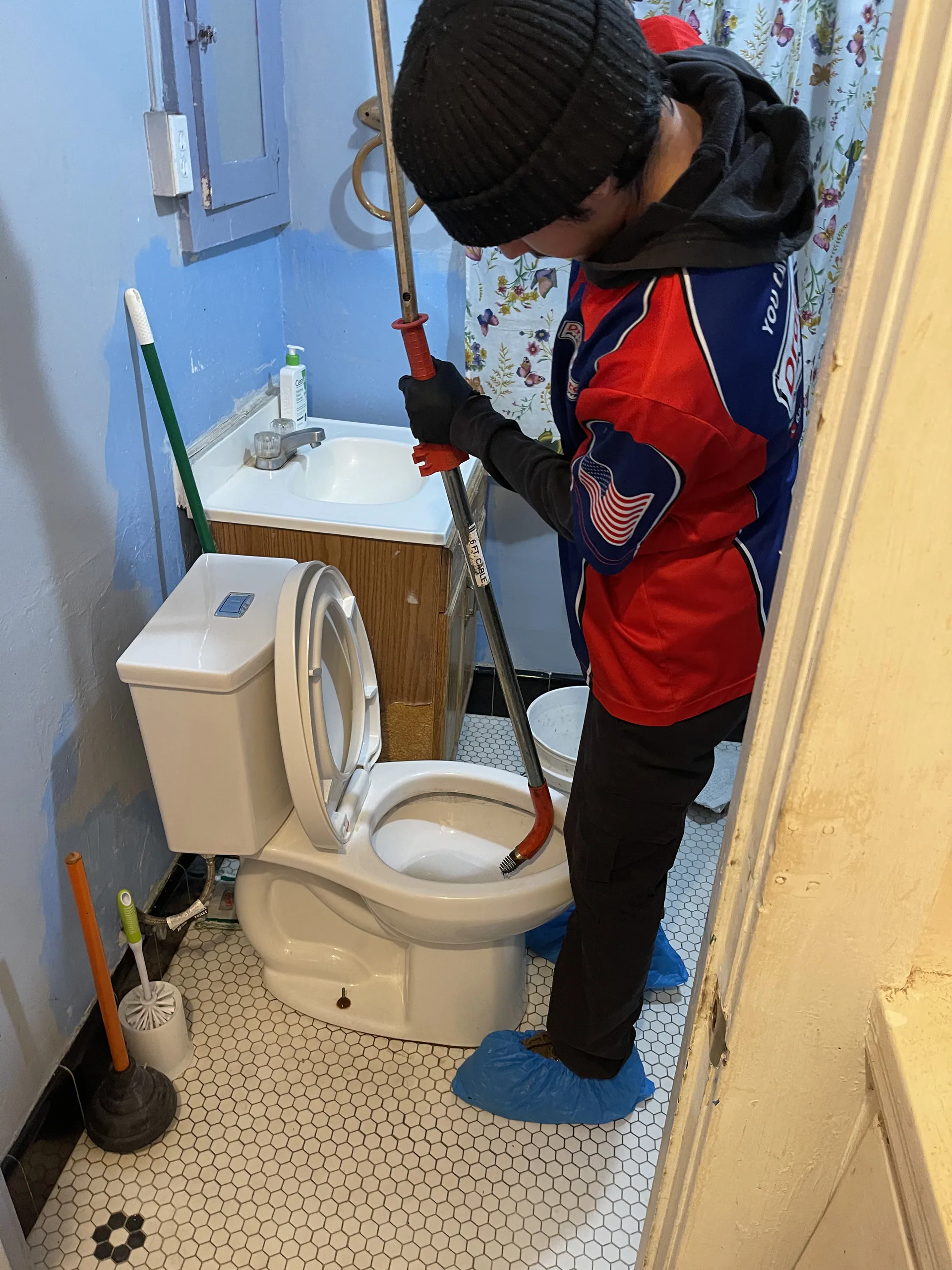
You notice water under the sink at 10 p.m., grab a towel, and immediately wonder the same thing most California property owners do: what is this going to cost? Plumbing repair cost can be surprisingly manageable for a small fix or painfully expensive for a hidden leak, and the difference usually comes down to access, timing, and what’s actually failing.
What plumbing repair usually costs in california
In California, small plumbing repairs often land around a moderate cost range for that type of plumbing repair. Common mid-range jobs usually fall between a higher-end repair or replacement range for that category of plumbing work. Bigger repairs, especially anything involving walls, underground lines, slab leaks, or sewer work, can jump from a mid-range repair bill that varies with parts, labor, and system age to several thousand dollars fast.
That range sounds huge because plumbing covers everything from swapping a supply line under a bathroom sink to tracing a leak beneath a concrete slab. A dripping faucet and a failed sewer line are both plumbing problems, but they live in completely different cost worlds.
Typical price ranges for small, medium, and major repairs
Minor fixes are the low end. Think a simple leak at an exposed shutoff valve, a toilet flapper replacement, a clogged sink drain, or a loose fitting that takes one visit and basic parts. These jobs are often mostly labor and trip cost, not expensive materials.
Common repairs sit in the middle. That includes toilet rebuilds, disposal repairs, shower valve work, water heater part replacements, and drain clearing that takes more time or better equipment. This is the bucket where a lot of household plumbing calls land.
Major repairs are where budgets get tested. Sewer line issues, water line repairs, slab leak detection and repair, opening finished walls, or replacing failing fixtures with code-related updates can all push totals far beyond a basic service visit. If the repair needs heavy diagnosis, permits, excavation, or restoration work, expect a much higher number.
Why california prices often run higher
California plumbing prices run higher for a few simple reasons. Labor rates are higher in many markets, especially in coastal and metro areas. Travel time matters too, because sitting in traffic across Los Angeles, Orange County, San Diego, or the Bay Area still costs money.
Older homes also change the math. If your property has galvanized pipe, outdated shutoffs, tight crawl spaces, or layers of previous repairs, a simple job can stop being simple. And once a repair triggers permit requirements or code upgrades, the bill can rise again. Water heaters, gas-related plumbing work, sewer repairs, and major replacements are common examples.
What goes into your plumbing repair bill
A plumbing estimate usually includes a few basic pieces: a service call or diagnostic fee, labor, materials, and any extra work needed to reach the problem and clean up afterward. Once you see those parts separately, estimates make a lot more sense.
Service call, diagnostic fee, and minimum labor
A service call is the charge to come out. A diagnostic fee covers the time spent finding the issue, testing fixtures, tracing leaks, or running equipment like drain machines or cameras. Minimum labor means there’s often a base charge even if the actual fix takes twenty minutes.
That can feel frustrating when the repair looks small. But here’s the thing: you’re not just paying for ten minutes under a sink. You’re paying for the trip, stocked truck, tools, licensing, insurance, and the experience to get the fix right without turning a drip into a flooded cabinet.
Labor, materials, access, and cleanup
Some plumbing companies use hourly pricing. Others use flat-rate pricing, where the job has a set cost once the issue is diagnosed. Neither is automatically better. What matters is whether the estimate clearly explains what’s included.
Materials can swing the total more than expected. A basic angle stop valve is one thing. A specialty shower cartridge, branded faucet part, pressure-balancing valve, or commercial-grade fixture is another. Access matters just as much. Repairs behind tile, inside walls, under raised foundations, or beneath slabs take longer and often require more setup and cleanup.
Cleanup is easy to overlook until you compare two estimates. One may include removing debris, testing the repair, and leaving the area clean. Another may cover only the plumbing work itself.
Emergency, after-hours, and weekend pricing
Urgent calls usually cost more. Nights, weekends, holidays, and same-day emergencies often come with premium pricing, sometimes significantly more than a standard weekday appointment.
Sometimes it’s worth every dollar. If a supply line bursts at midnight or sewage is backing up into a shower, waiting is a bad idea. But if the issue is a slow drip in a guest bath or a disposal that hums but still drains, scheduling regular service can save a lot.
Plumbing repair costs by common job type
Most people don’t need a master class in plumbing systems. You just want a realistic sense of what your issue may cost. That’s where looking at common job types helps.
Leak repair: faucets, supply lines, and exposed pipes
Simple leak repairs are often among the most affordable. A dripping faucet, leaking under-sink supply line, bad shutoff valve, or exposed pipe leak may cost roughly a moderate cost range for that type of plumbing repair when access is easy and the part is standard.
The price climbs when the leak is hidden. If a pipe inside a wall is leaking, the plumber may need to cut access, isolate the damaged section, repair or replace it, then test for more moisture. At that point, plumbing repair cost can move into the a higher-end repair or replacement range for that category of plumbing work range or more, not counting drywall or cabinet repairs afterward.
Drain clog and toilet repair costs
Basic drain clearing for a sink, shower, or tub often runs about a moderate cost range for that type of plumbing repair. Toilet clogs can fall in a similar range if they’re straightforward. A running toilet, wax ring replacement, or standard rebuild with new internal parts may land around a moderate cost range for that type of plumbing repair depending on parts and condition.
The catch is when a “simple clog” isn’t simple. If multiple drains are slow, the toilet gurgles when the shower runs, or waste backs up into a tub, the problem may be deeper in the branch line or sewer line. Then you may be paying for a larger machine, hydro jetting, or a camera inspection on top of the initial clearing.
Water heater repair costs
Water heater repairs vary a lot by type and age. Replacing a thermocouple, heating element, thermostat, pressure relief valve, or igniter can often range from a mid-range repair bill that varies with parts, labor, and system age. Flushing a tank or correcting minor pilot issues may cost less.
But repair stops making sense at a certain point. If the water heater is older, leaking from the tank itself, or stacking one repair after another, replacement is usually the smarter move. Paying a few hundred dollars to revive a unit that’s near the end of its life is like patching a tire with cords showing. You can do it, but you probably shouldn’t.
Garbage disposal, faucet, and fixture repairs
Jammed disposals, leaking disposals, faucet cartridge replacements, and minor fixture repairs often fall between a moderate cost range for that type of plumbing repair. Shower valve repairs can go higher, especially if trim has to be removed carefully or the valve body is worn out.
Parts availability matters more than most people expect. If your faucet uses a common cartridge that’s easy to source locally, the repair may stay simple. If the fixture is older, discontinued, imported, or missing identifying marks, diagnosis can take longer and replacement parts may cost more or be unavailable entirely.
Sewer line, water line, and slab leak repairs
This is where estimates swing the most. Camera inspections may cost a few hundred dollars. Spot sewer repairs can start around a wide repair range that can reflect minor fixes versus major component work and rise sharply depending on depth, access, and restoration. Full sewer line repairs or trenchless work can reach several thousand dollars. Main water line repairs often live in the same territory.
Slab leaks are especially unpredictable because the plumber may need to detect the leak first, then decide between spot repair, reroute, or broader pipe replacement. The plumbing work alone can be expensive, and the surrounding work can add even more.
Cost differences between repair, replacement, and repiping
A cheap repair is not always the cheapest decision. Sometimes a targeted fix is exactly right. Other times you end up paying for the same problem three times.
When a small repair is the smart move
If the failure is isolated and the rest of the system is in good shape, a focused repair is usually the best value. Replacing a bad shutoff valve, trap, faucet cartridge, fill valve, supply line, or short section of damaged pipe often makes perfect sense.
This is especially true when the fixture is fairly new, the part is standard, and the problem clearly has one source. In those cases, a repair solves the issue without dragging you into a larger project.
When replacement costs less in the long run
Replacement starts to win when the part is worn out, the fixture is unreliable, or the system has a history. Repeat leaks under the same sink, corroded piping near the same joints, a disposal that jams every month, or a water heater needing another major part after years of trouble are all red flags.
Frequent service calls quietly add up. Two or three moderate repair bills over a year can cost more than swapping the failing fixture once and being done with it.
Signs your home may need partial or whole-home repiping
If your home has old galvanized piping, chronic low water pressure, rust-colored water, repeated leaks, or more than one slab leak, the issue may be bigger than one repair. Many older California homes reach a point where patching line after line stops being practical.
Partial repiping can solve a problem area. Whole-home repiping is a much larger investment, but in some houses it’s the first time the plumbing starts behaving normally again.
What can make one estimate much higher than another
Two estimates for the “same” plumbing problem can look wildly different without anybody doing anything shady. The real difference is often scope.
Hidden damage behind walls, floors, or cabinets
A leak under a cabinet may have damaged the cabinet base, drywall, insulation, or subfloor long before you noticed it. Once the area is opened, the job may expand.
That doesn’t mean the original estimate was wrong. It means the visible symptom was smaller than the actual problem. Water is sneaky like that. A tiny drip can do a lot of damage if it has enough time and one dark cabinet corner.
Permit, inspection, and code-upgrade costs
Some plumbing repairs need permits or inspections, especially for water heaters, gas line work, sewer repairs, and major replacements. In California, code upgrades can also come into play. A repair may trigger requirements for seismic strapping, expansion tanks, updated shutoffs, proper venting, or approved materials.
Those items add cost, but they also help explain why one quote may be much more thorough than another.
Residential vs. commercial plumbing costs
Commercial plumbing usually costs more than residential work. Access can be harder, scheduling may need to happen after business hours, and fixtures tend to be heavier-duty and more numerous.
If you’re managing a rental, office, restaurant, or storefront, even a familiar repair may be priced differently than the same issue in a house. More users, more fixtures, and tighter scheduling usually mean more labor.
How to budget for plumbing work without getting blindsided
Plumbing bills feel worse when the number is a surprise. A little planning changes that, even if the repair itself isn’t optional.
How to read an estimate and compare quotes
Look for the scope of work first. What exactly is being repaired, replaced, tested, or opened? Then check what parts are included, whether permit fees are separate, and whether cleanup, hauling away old parts, wall patching, or restoration are excluded.
Warranty matters too. A higher quote may include better parts or a stronger labor warranty. That’s not fluff. It’s part of the value. The goal is to compare apples to apples, not just line totals.
When insurance, home warranty, or financing may help
Homeowners insurance may help when plumbing damage is sudden and causes covered property damage, but it usually does not pay for normal wear and tear or the old pipe itself. Home warranties can help in some cases, though approvals, exclusions, and payout limits can be frustrating.
For larger jobs like sewer repairs, repiping, or slab leak reroutes, financing can make sense. Spreading out a major repair is often better than delaying it until damage gets worse.
Simple ways to keep costs down
The easiest way to keep plumbing repair cost down is catching problems early. A slow drip under a sink, a toilet that keeps running, or a tub draining slower than usual is cheaper to address before damage spreads.
Timing helps too. Scheduling regular-hour service instead of emergency service can save money. Bundling a few small repairs into one visit can also lower the total compared with multiple separate calls. And if a leak starts, shutting off the water quickly can be the difference between a repair bill and a repair-plus-restoration bill.
Common mistakes that drive plumbing costs up
Most expensive plumbing bills don’t start expensive. They start small, then get ignored, rushed, or made worse.
Waiting too long to fix a small leak or clog
A small leak can soak a cabinet base, stain drywall, swell flooring, and invite mold before it becomes obvious. A small clog can become a full backup once buildup thickens or the line snags more debris.
The longer you wait, the more likely you stop paying only for plumbing and start paying for carpentry, drywall, flooring, and cleanup too.
Choosing based on the lowest price alone
The lowest quote can be the most expensive one by next month. A thin estimate may leave out access work, better parts, code issues, proper testing, or warranty coverage.
Cheap parts also fail sooner. And if the real cause isn’t addressed, you’re paying twice. Saving money is smart. Paying twice for the same leak isn’t.
Trying DIY fixes that make the repair bigger
A lot of plumbing mistakes come from trying to force a small fix. Over-tightened fittings crack. Chemical drain cleaners can damage pipes and make a later repair messier. Mismatched parts lead to drips that seem fixed until the next morning.
Temporary patches are another classic problem. Tape, putty, and improvised clamps can buy a little time in a true emergency, but leaving them in place tends to turn a manageable repair into a bigger one.
What to expect when you schedule a plumbing repair in california
Knowing the process makes the whole thing less stressful. Most plumbing visits follow the same basic pattern from first call to final invoice.
Before the visit: what to have ready
Have the symptoms ready to describe clearly. When did the leak or clog start? Is it constant or on and off? Does it happen when you run hot water, flush a toilet, or use another fixture nearby?
Photos help, especially if the leak comes and goes. If you know the fixture brand, keep that handy too. And if you can find the main water shutoff before the appointment, even better.
During the visit: diagnosis, estimate, and approval
A typical visit starts with inspection and testing. The technician may check shutoffs first, run fixtures, test pressure, inspect visible piping, or use tools to locate the problem. In many cases, you’ll get a text before arrival, then the work begins with the simplest thing first: figuring out where the water is actually coming from.
After diagnosis, you should get an explanation of the issue and the repair options. Then comes the estimate. Approval usually happens before the actual repair starts, not after.
After the repair: warranty, paperwork, and the next step
Once the repair is done, the area should be tested again. Water should run, drain, or shut off the way it’s supposed to. You should also get a receipt or invoice showing what was repaired, what parts were used, and whether any warranty applies.
Then try one simple thing: keep an eye on the repaired area for the next day or two. Check for changes in pressure, drainage, or moisture. A quick look the next morning can catch a problem early, and just as often, it gives you the best outcome of all, peace and quiet from a plumbing issue that’s finally handled.
- Disclaimer: This article is for general informational purposes only. It is not professional advice, a quote, or a service agreement. Conditions at your home or property may differ; contact a qualified professional for an on-site evaluation before making repair, safety, or spending decisions.
Disclaimer: This article is for general informational purposes only. It is not professional advice, a quote, or a service agreement. Conditions at your home or property may differ; contact a qualified professional for an on-site evaluation before making repair, safety, or spending decisions.