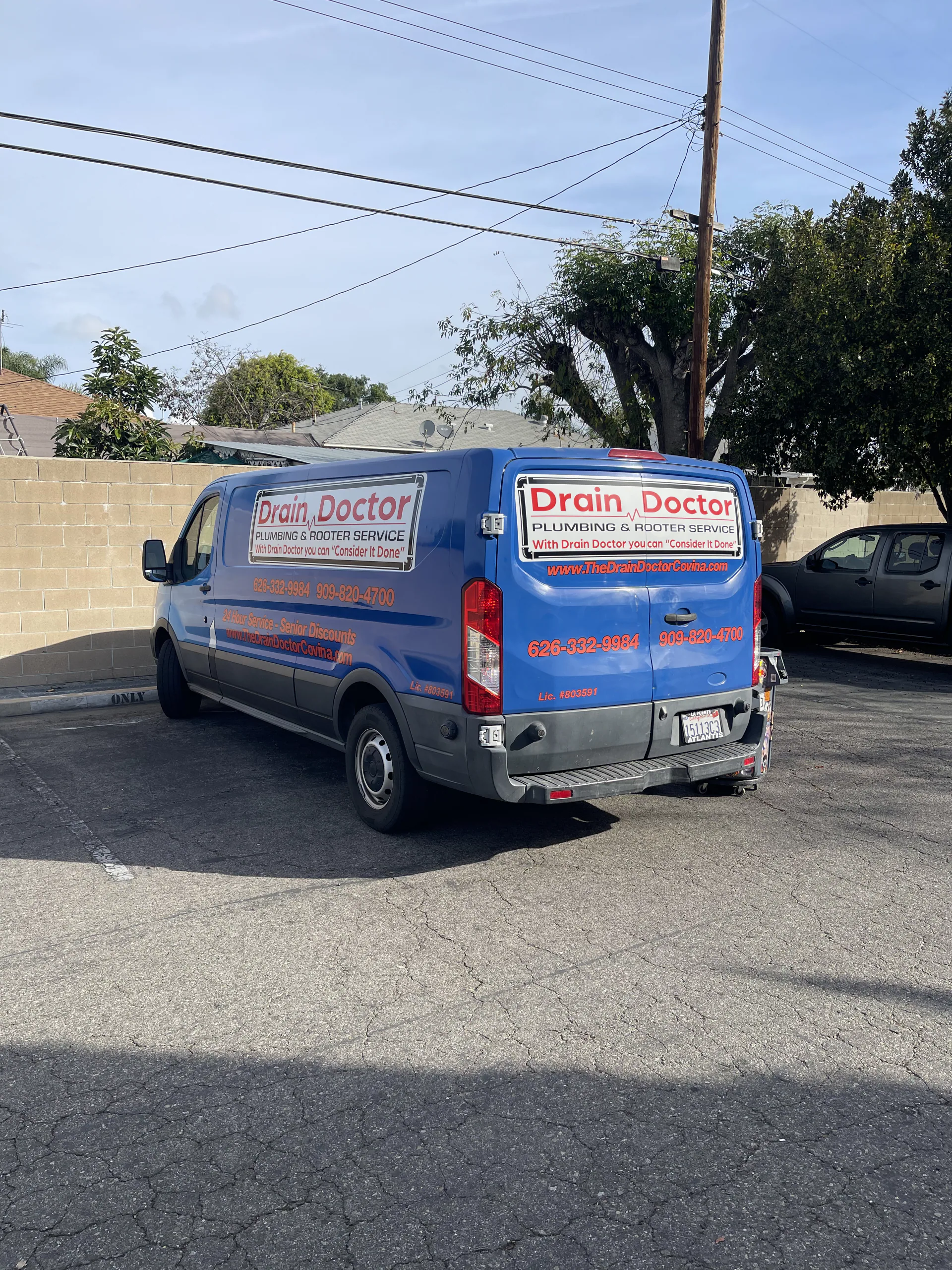
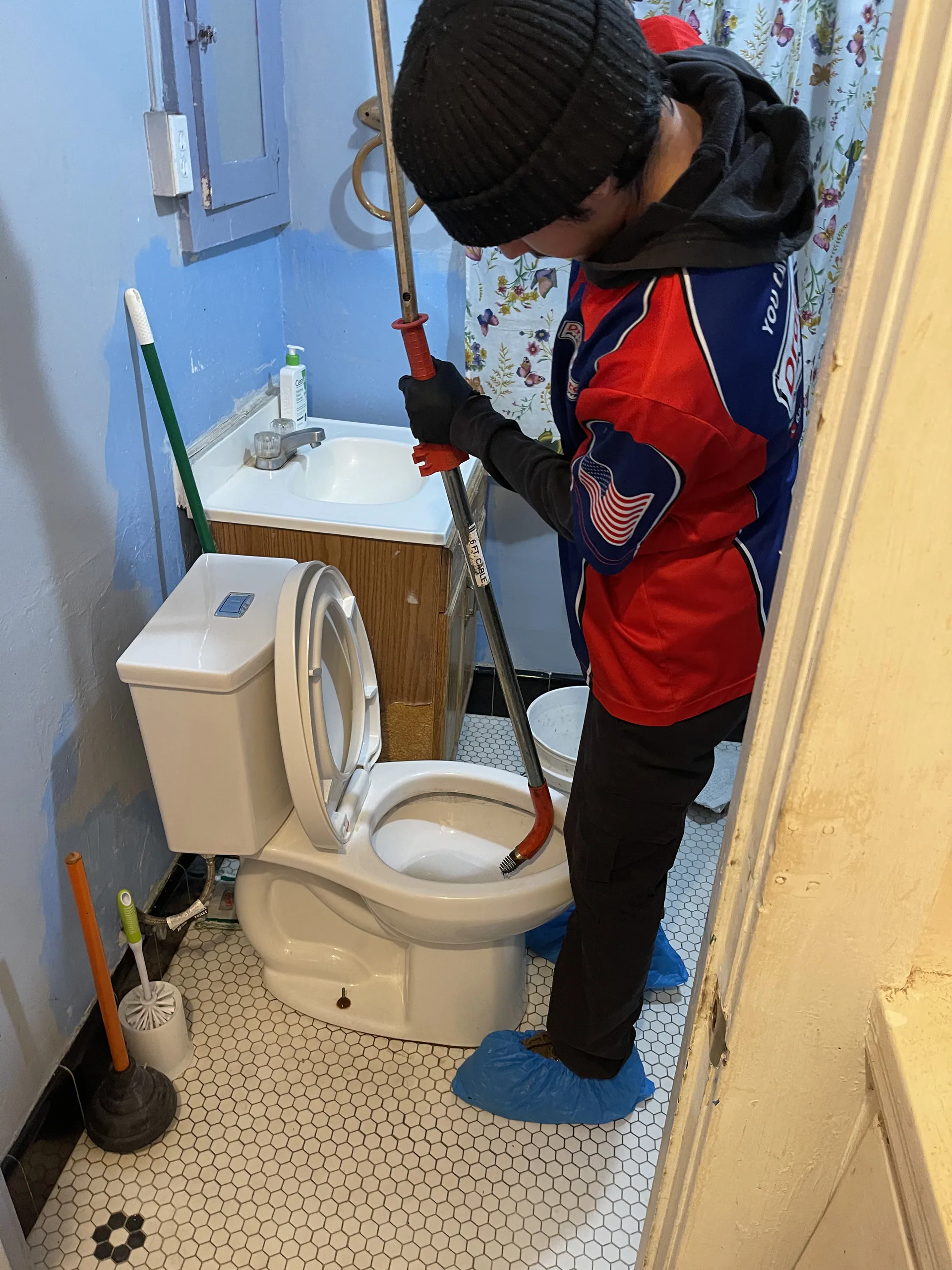
A clogged sink at 7 a.m. can feel annoyingly simple, right up until the water starts backing into the other basin and the cabinet below smells damp. That is the real question behind licensed plumber vs DIY: not just “Can you fix it?” but “What happens if the fix goes wrong?” For a short list of small, visible jobs, DIY makes sense. For most repairs involving hidden pipes, active leaks, safety systems, or repeat problems, a licensed plumber is the better bet.
Quick overview: licensed plumber vs DIY
DIY plumbing usually means small repairs you can see and reach: plunging a toilet, replacing a flapper, swapping a showerhead, or clearing hair from a sink stopper. These jobs are fairly contained. If something goes sideways, you can usually shut off the water, undo the part, and try again without tearing into your house.
A licensed plumber brings more than labor. You get troubleshooting, code knowledge, access to specialized tools, and a repair that aims at the cause instead of the symptom. When water can go from drip to ceiling stain fast, that difference matters.
Here’s the plain answer: DIY wins for low-risk maintenance. A licensed plumber wins for anything hidden, urgent, recurring, or expensive to get wrong.
Skill and problem-solving
The biggest gap is not wrench skills. It is diagnosis.
A slow drain looks simple, but the clog may sit far beyond the trap. A leaky valve under a sink may actually be a pressure problem, a worn supply line, or damage that started inside the wall days ago. Plumbing likes to fake you out that way. You see the puddle. The real issue may be two feet away.
With DIY, you usually start with the visible symptom and work inward. Sometimes that works. Sometimes it leads to replacing the wrong part, tightening the wrong connection, or assuming the problem is fixed because the drip stopped for one afternoon.
A licensed plumber is more likely to spot patterns. Recurring clogs, uneven water pressure, warm spots on the floor, stains near baseboards, banging pipes, sewer odor, these clues matter. The trick is not just fixing what is wet today, but noticing what will fail next.
Safety and risk
Some plumbing jobs are more annoying than dangerous. Others can damage your house or put your safety at risk surprisingly fast.
Working on a basic sink stopper is one thing. Working on water lines under pressure, drain lines carrying waste, sewer backups, or a gas-connected water heater is different. Wet floors get slippery. Sewer exposure is unsanitary. Hot water can scald. Gas connections raise the stakes immediately.
That said, not every DIY task is scary. If the job is visible, isolated, and easy to shut off, the risk stays relatively small. The catch is that one wrong move on the wrong job can turn a cheap repair into damaged flooring, soaked drywall, or a hazardous setup.
Tools and equipment
You probably already have a plunger, adjustable wrench, channel locks, and maybe a hand auger. For simple fixes, that is often enough.
But plumbing gets easier when the right tool exists. A licensed plumber may use a sewer camera to locate a blockage, an electronic leak detector to find hidden moisture, or a drain machine that clears buildup a small hand snake cannot touch. For tougher clogs, pipe location and camera inspection can save hours of guessing.
Tool access changes the odds. Without it, you are often testing theories. With it, the repair gets more precise, and honestly, usually faster.
Code compliance and permits
Plumbing code sounds dry until a remodel inspection fails or an insurance claim raises awkward questions. In California, plumbing work often has to meet state and local code requirements, and larger jobs may require permits and inspection approval through your city or county building department, such as guidance provided by the California Contractors State License Board.
For small repairs, permits usually do not come into play. For water heater replacements, repiping, relocated fixtures, and remodel work, they often do. Licensed work helps protect resale, inspections, and documentation. Unpermitted DIY can come back later like a forgotten parking ticket, except more expensive and usually at the worst possible moment.
Time, convenience, and stress
DIY plumbing is rarely just the repair itself. It is watching videos, figuring out the part, measuring wrong once, driving to the hardware store twice, discovering the shutoff valve is stuck, then cleaning up the water under the vanity.
If you enjoy hands-on projects, that may be fine. But urgency changes everything. When a pipe bursts at 9 p.m. or a toilet keeps overflowing, the value of speed jumps way up. Booking a pro is often less about convenience and more about stopping damage before it spreads.
Stress matters too. A small fix feels different when you are doing it on a sunny Saturday than when you are standing in a wet laundry room with towels around your ankles.
Cost up front vs cost after a mistake
DIY usually looks cheaper because labor is the biggest line item. For minor jobs, that is true.
But cheap fixes stop being cheap the minute water gets into cabinets, subfloor, drywall, or insulation. Replacing the wrong fill valve is annoying. Missing a hidden leak behind a wall is expensive. A bad connection that holds for two days and fails overnight can wipe out any savings fast.
This is where the licensed plumber vs DIY decision gets real. The question is not only what the repair costs today. It is what failure costs tomorrow.
Quality and long-term results
A patch is not the same as a repair.
DIY fixes sometimes solve the immediate problem but not the reason it happened. That is why some toilets keep running, some drains keep clogging, and some “fixed” leaks return a month later right before guests arrive for a holiday dinner.
Licensed plumbers usually aim for a durable repair that holds up under daily use. Workmanship warranties also add value. If the bathroom sink gets used 20 times a day in a busy house, long-term reliability matters more than saving a little on the first visit.
What jobs are usually safe for DIY
Some tasks really are fair DIY territory. If the problem is visible, the part is inexpensive, and the mistake is easy to reverse, you can usually handle it.
Good examples include plunging a toilet, clearing a simple sink stopper clog, replacing a toilet flapper, installing a new showerhead, or tightening a loose faucet handle. These are the plumbing version of changing a light fixture bulb, simple, contained, and not likely to ruin your week.
Green-light DIY tasks
Green-light jobs are low-risk, low-cost, and easy to shut off first. Think toilet plunging, stopper cleaning, flapper replacement, showerhead swaps, or replacing an accessible supply line when the shutoff valve works properly and the connection type matches exactly.
Simple stops being simple when the leak source is unclear, the pipe disappears into a wall, the clog keeps coming back, or the fixture connects to gas, drainage, or hot water equipment.
DIY rules that keep trouble small
Start by shutting off the water before touching anything that can leak. Match replacement parts exactly, because “close enough” is how drips start. Test slowly, with a towel and flashlight nearby, and watch the repair for a few minutes instead of assuming it is done the second the water turns back on.
One more reality check: if force seems necessary, stop. Plumbing parts often crack before stubbornness pays off.
What jobs need a licensed plumber
Some repairs are worth calling in right away because the downside is too big. If the problem is hidden, high-pressure, recurring, or tied to sanitation or safety, the smart move is professional help.
This includes jobs where the first repair attempt could make diagnosis harder. Once walls are opened unnecessarily, fittings are overtightened, or drain lines are damaged by the wrong tool, the whole job gets more expensive.
Red-flag repairs
Burst pipes, slab leaks, sewer line backups, no hot water, repiping, pipe relocations, and leaks behind walls or under floors belong in the red-flag category. So do recurring drain clogs in multiple fixtures, sewage smells, and sudden drops in water pressure.
These problems snowball fast. Miss the real cause, and you are not just delaying the repair. You may be feeding the damage.
Remodels, additions, and major installations
A new bathroom, kitchen, or laundry setup is where DIY ambition often collides with code, drainage slope, venting, and permits. Moving supply or drain lines is not just a matter of connecting pipe. The installation has to work properly, pass inspection where required, and avoid creating future leaks or venting issues.
For this kind of work, licensed plumbing is usually the safer and cheaper choice in the long run.
Emergencies: when DIY is the wrong bet
In an emergency, speed and accuracy matter more than saving money upfront. Active leaks, overflowing fixtures, sewer smells, sewage backup, and sudden water heater failure are not good DIY experiments.
The immediate move is simple: shut off the local valve if there is one, or the main water supply if needed. Then get help on the way. If the issue involves sewage, hot water equipment, hidden leaks, or water spreading beyond the fixture, waiting too long is often the most expensive mistake in the whole process.
Pricing comparison
Exact pricing varies by access, parts, timing, and damage, so broad patterns are more useful than one-size-fits-all numbers. DIY is usually cheaper for basic, visible fixes where labor is the main cost. Professional service often pays off where diagnosis and proper installation matter more than the price of the part.
Where DIY usually costs less
DIY tends to save money on simple repairs with easy access and cheap parts: flappers, showerheads, sink stoppers, and minor toilet adjustments. In these cases, labor can cost more than the hardware, so doing it yourself can be perfectly reasonable.
Where hiring a plumber pays off
Hiring a plumber pays off when the job needs diagnosis, specialized tools, code-compliant work, or a durable fix the first time. Hidden leaks, repeat clogs, water heater issues, and fixture installations with questionable shutoffs all fit here. One successful visit often beats three weekends of guesswork.
How to decide: a simple risk test
Use a quick three-part test.
First, what happens if the repair fails? If failure means a drip in a bucket, DIY may be fine. If failure means water in walls or flooring, call a licensed plumber.
Second, how hidden is the plumbing? Visible and accessible usually means lower risk. Behind walls, under slabs, or under floors means higher risk.
Third, does the job involve permits, code, gas, sewage, or hot water equipment? If yes, that is your answer.
Best choice by situation
The best option depends less on confidence and more on consequences. Plenty of people are handy. Plenty of handy people still call a plumber when the stakes are high.
Choose DIY if...
Choose DIY if the repair is small, visible, low-risk, and easy to reverse. A working shutoff valve, clear instructions, and inexpensive parts are good signs. The best DIY jobs are the ones where a mistake is annoying, not expensive.
Choose a licensed plumber if...
Choose a licensed plumber if the problem is urgent, hidden, recurring, messy, or tied to code and safety. That includes leaks inside walls, sewer issues, no hot water, burst pipes, remodel plumbing, and anything you cannot confidently undo without making it worse.
Verdict: which one is worth the risk?
DIY is worth the risk for a short list of simple plumbing tasks. For most repairs where damage, safety, and long-term cost are on the line, a licensed plumber is the better choice. That is especially true in older homes, where one loose valve under a sink can turn into a much bigger surprise once the cabinet floor starts to swell.
Start with one simple rule: if the fix involves hidden pipes, major leaks, or anything you cannot confidently reverse, make the call.
- Disclaimer: This article is for general informational purposes only. It is not professional advice, a quote, or a service agreement. Conditions at your home or property may differ; contact a qualified professional for an on-site evaluation before making repair, safety, or spending decisions.
Disclaimer: This article is for general informational purposes only. It is not professional advice, a quote, or a service agreement. Conditions at your home or property may differ; contact a qualified professional for an on-site evaluation before making repair, safety, or spending decisions.