
You step into the shower expecting a decent stream, and instead you get a weak trickle followed by that rude blast of cold water halfway through. That scene sums up a lot of California home plumbing problems: the same few issues keep showing up, thanks to hard water, older pipes, dry soil, and tree roots that never seem to quit. Here’s a practical walkthrough of the plumbing trouble you’re most likely to notice first, what it usually means, and what to do before a small annoyance turns into a much bigger repair.
1. Hard water buildup that quietly wears everything down
Hard water is one of the biggest plumbing troublemakers in California, full stop. If your faucets get a chalky white crust, your dishes come out spotted, or your showerhead starts spraying sideways like a lawn sprinkler, mineral buildup is probably behind it.
That buildup is basically scale, a hard residue left behind by calcium and magnesium in the water. It does not look dramatic at first. The catch is that it slowly coats the inside of fixtures, valves, and appliances, so the damage builds in the background while everything still sort of works.
Why hard water shows up so often in california homes
A lot of California water supplies naturally carry higher mineral content, so this problem shows up in both older houses and newer builds. A brand-new faucet can still start collecting scale if the water feeding it is hard enough.
You do not need a neglected house to have hard water issues. Even a well-kept home can deal with crusty fixtures and shortened appliance life simply because the local water leaves deposits behind day after day.
What hard water does to pipes, fixtures, and appliances
The first thing you usually notice is restricted flow. Water still comes out, just not the way it used to. Showerheads clog, sink aerators get packed with debris, and valves start sticking.
Water heaters take a hit too. Mineral sediment settles in the tank or collects on heating components, which forces the system to work harder to produce the same amount of hot water. Fixtures age faster, cartridges wear out sooner, and little parts inside faucets can stop sealing the way they should.
It is a slow grind, like trying to breathe through a straw that gets narrower every month.
Simple things to try first
Start small. Unscrew and clean faucet aerators if the flow has gotten weak. Soak a scaled showerhead in vinegar or use a descaling solution made for plumbing fixtures. Sometimes that one simple cleanup makes a dramatic difference.
If buildup keeps coming back, it may be time to look into a water softener or a water conditioner. A softener removes hardness minerals. A conditioner changes how minerals behave so scale sticks less aggressively. Either way, if your water heater, fixtures, and appliances all seem to be aging too fast, hard water deserves a hard look.
2. Clogged drains that keep coming back
Few plumbing problems are more common, or more annoying, than a drain that never really stays clear. The kitchen sink slows down, the bathroom sink gurgles, the tub holds water around your ankles, and suddenly you are adjusting your whole routine around a pipe problem.
Most repeat clogs come from regular daily buildup: grease, soap scum, hair, food scraps, and those so-called flushable wipes that absolutely do not belong in your plumbing. A single clog is one thing. A drain that keeps acting up is usually telling you the pipe is not fully clearing.
The difference between a slow drain and a bigger blockage
A slow drain in one sink often means a local clog close to the fixture. That is frustrating, but usually manageable. A bigger blockage tends to announce itself more dramatically.
If you hear gurgling after running water, notice bad smells from the drain, or see multiple fixtures backing up around the same time, the problem may be deeper in the line. If the shower backs up when the toilet flushes, that is not a basic hair clog anymore.
What not to pour down the drain
Grease is a repeat offender because it goes down warm and then hardens farther along in the pipe. Coffee grounds are another one. They do not dissolve, and they love to gather in low spots and bends. Wipes are even worse because they can snag, clump, and create a blockage that acts like a net.
Harsh chemical drain cleaners are a bad bet too. Sometimes they sit on top of the clog without clearing it, which leaves corrosive chemicals in the line and makes the eventual repair messier and less safe.
Safe first steps before calling for help
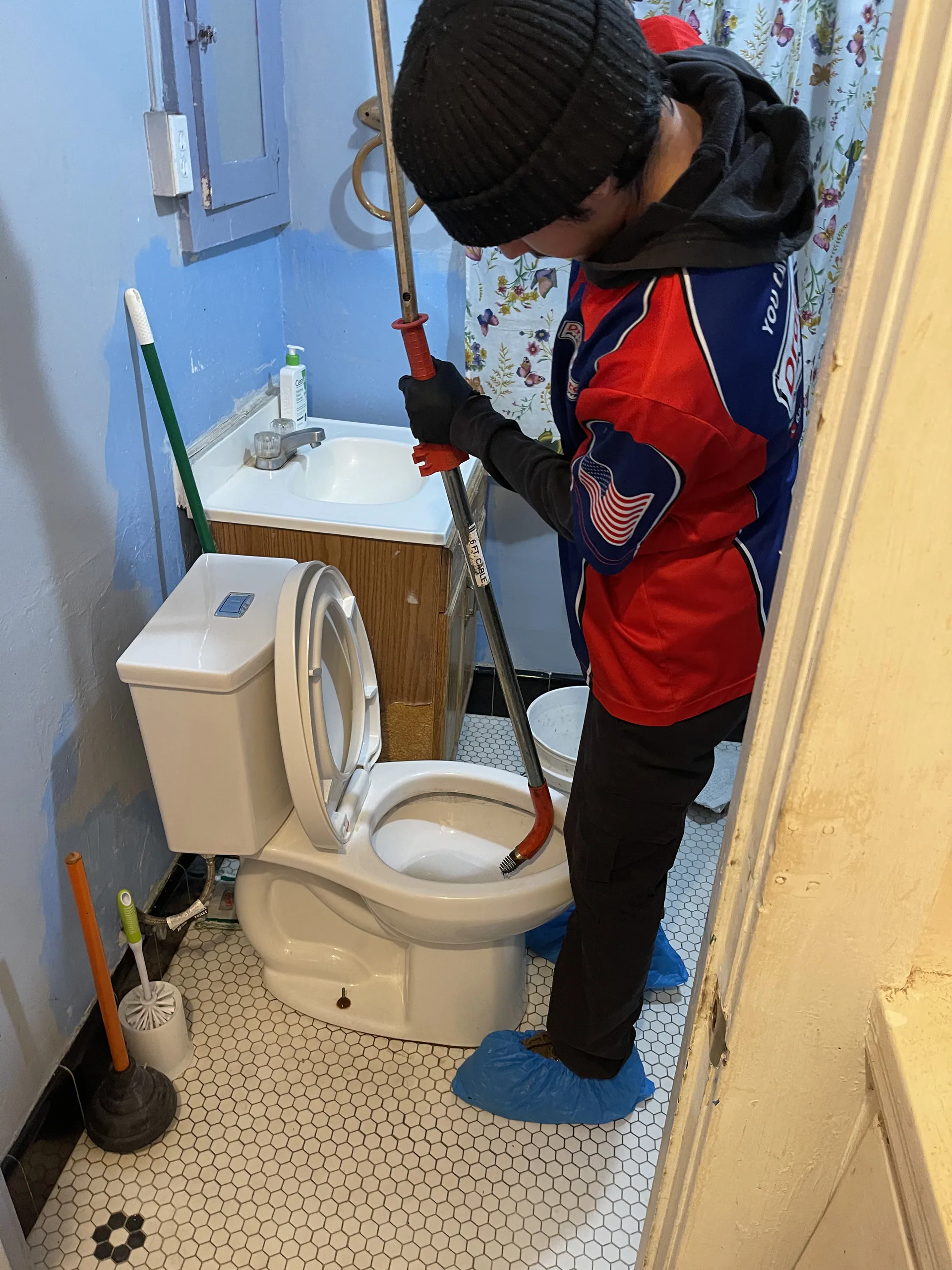
Try the basics first. Use a plunger sized for the fixture. Remove and clean the sink stopper if hair or sludge is collected around it. For tub and shower drains, a simple drain snake often pulls out the real problem in one grim little handful.
If the drain clears and then clogs again a week later, pay attention. Repeat trouble usually means the blockage sits deeper in the line, and that is when a proper cleaning becomes more than a convenience.
3. Low water pressure that makes everyday tasks annoying
Low water pressure is not flashy, but it gets old fast. Showers take longer, sink rinsing feels sluggish, and the washing machine seems to take forever to fill. What makes it especially frustrating is how often it creeps in gradually.
Because the change is slow, you can get used to it without realizing how far things have slipped.
Common causes in california homes
In California homes, mineral buildup is a top cause, especially at fixture aerators and showerheads. Partially closed shutoff valves can also throttle flow more than expected. Hidden leaks steal pressure too, especially if water is escaping somewhere you cannot see.
Pressure regulator trouble is another common culprit. That regulator is the valve that keeps incoming water pressure at a reasonable level. In older homes, galvanized pipes are often the bigger issue, since corrosion inside the pipe can shrink the opening until water flow drops across the whole house.
How to narrow down where the problem is
Start with one simple question: is it happening at one fixture or everywhere? If one bathroom sink is weak but the kitchen and shower feel normal, the problem is probably local. Think clogged aerator, a bad faucet cartridge, or a shutoff valve that was never fully reopened.
If the whole house feels weak, look wider. Check the main shutoff valve and any pressure-reducing valve if your system has one. Whole-home pressure loss is rarely just a dirty faucet screen.
When low pressure points to a bigger repair
If every fixture has lost pressure, and especially if the drop happened suddenly, you may be dealing with a leak, a failing pressure regulator, or corroded supply piping. Those are not “wait and see” problems.
A whole-home pressure issue usually means the plumbing system is struggling upstream, not just at the point where water comes out.
4. Leaky faucets and dripping fixtures that waste water fast
A small drip feels harmless until you hear it at 2 a.m. in a quiet kitchen. Then it becomes the only sound in the house. Leaky faucets are one of those classic small problems that create a surprisingly big amount of irritation, and they can waste a lot of water while they are at it.
Most drips come from worn washers, cartridges, seals, or mineral wear inside the fixture. In hard water areas, those parts do not stay smooth forever.
The usual places leaks start
Kitchen faucets see constant use, so they are common leak points. Bathroom sink faucets are close behind, especially if mineral buildup has been collecting for years. Showerheads can drip long after the handle is off, and outdoor spigots often start leaking around the handle or bib connection.
Those are the obvious spots. The less obvious ones matter too, especially if the leak is sneaking under the sink instead of dripping into the basin.
Signs the problem is more than a simple drip
A drip from the spout is one thing. Water around the base of the faucet is another. If you open the cabinet and notice swelling wood, rust marks, or a stale moldy smell, the leak may be spreading where you cannot easily see it.
Under-sink leaks can damage cabinets for months before the plumbing itself seems urgent. By then, the repair is not just about the faucet anymore.
Easy fixes versus parts worth replacing
Sometimes the fix is straightforward: replace a washer, swap a cartridge, tighten a connection. That is especially true if the fixture is in decent shape and the leak is caught early.
But if the faucet is old, corroded, and already feels stiff or loose, replacing the whole fixture often makes more sense than swapping one failing part after another. At a certain point, a new faucet costs less in time and aggravation.
5. Running toilets and weak flushes
Toilets put in a lot of work, and the parts inside the tank are not exactly glamorous. But when one starts running nonstop, refilling for no reason, or flushing like it has no conviction left, you notice fast.
This is one of the most common California home plumbing problems because toilets combine constant use with parts that wear down slowly, especially in hard water.
What usually fails inside the tank
The flapper is the rubber seal at the bottom of the tank. When it wears out or gets warped, water leaks from the tank into the bowl and the toilet keeps refilling. The fill valve controls how the tank refills after a flush. When it goes bad, the tank may overfill, underfill, or make strange noises. The chain connects the handle to the flapper, and if it is too loose or too tight, flushing gets unreliable.
None of these parts are complicated. The problem is that one small failure can waste a surprising amount of water.
Signs your toilet problem is wasting more water than you think
If you hear random refilling sounds when nobody has touched the toilet, that is a red flag. If the water in the bowl ripples slightly for no clear reason, the flapper may be leaking. And if the utility bill creeps up while your habits stay the same, a quiet toilet leak is a very believable cause.
Toilet leaks are sneaky because the water goes straight down the drain. No puddle. No drama. Just waste.
When a toilet issue points to a drain or sewer problem
Repeated clogs, bubbling in the bowl, or backups after flushing can signal something bigger than a worn flapper or weak handle. If the toilet struggles even after common internal parts are replaced, the problem may be in the drain line or farther out in the sewer.
That is when a “toilet problem” stops being just a toilet problem.
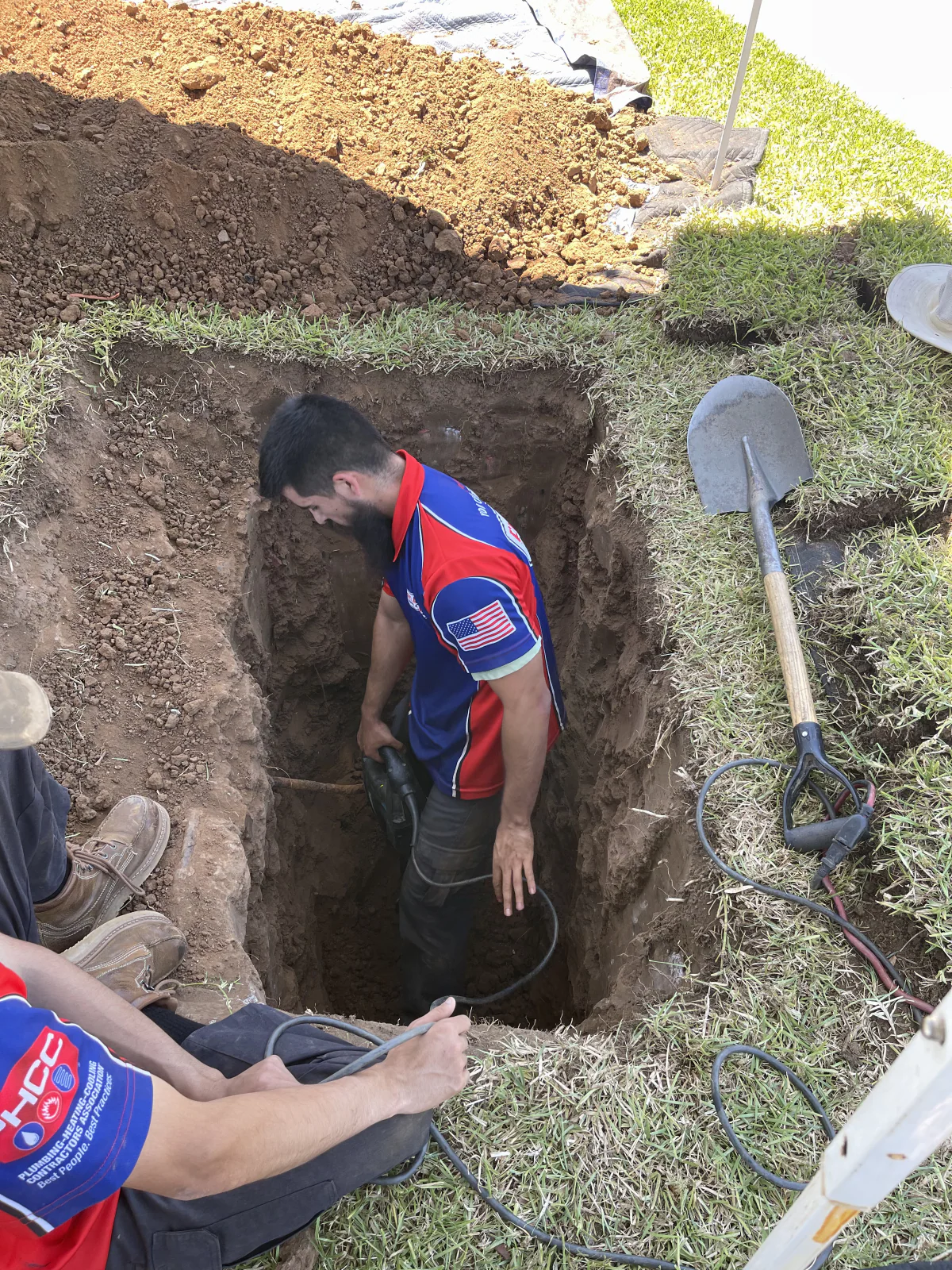
6. Sewer line blockages caused by tree roots and line damage
This is the big one, especially in older California neighborhoods. Tree roots are relentless because they search for moisture, and a sewer line offers exactly that. If there is even a tiny crack or loose joint, roots can slip in and start expanding until the pipe acts like a blocked straw.
Once roots take hold, backups tend to come back. Clearing the symptom without dealing with the cause usually buys time, not a lasting fix.
Warning signs you should not ignore
Multiple drains backing up at once is a major warning sign. So are sewage odors, bubbling toilets, and water showing up where it definitely should not, like a tub filling when the washing machine drains.
These are not “watch it for a few weeks” signals. Sewer line trouble tends to escalate from gross to expensive in a hurry.
Why older california neighborhoods get hit harder
Older homes often have clay or cast-iron sewer lines, and both can become vulnerable over time. Clay can crack or separate at joints. Cast iron can corrode and roughen inside, which gives roots and debris more places to catch.
Add mature landscaping and you get a classic setup. In plenty of neighborhoods, a big front-yard ficus in San Jose or an older shade tree in Southern California can send roots straight into an aging sewer lateral. The yard looks beautiful. The pipe underneath tells a different story.
What usually fixes root intrusion
The right fix depends on the damage. A camera inspection shows where roots entered and how bad the line looks. Hydro jetting can clear heavy buildup and wash out smaller roots. Root cutting can physically remove tougher intrusions.
If the pipe is cracked, collapsed, or badly deteriorated, spot repairs or full replacement may be the smarter move. The trick is not just clearing the blockage, but finding out why it formed in the first place.
7. Water heater problems from sediment, age, and heavy use
Water heater trouble often starts quietly. Hot water runs out faster. The shower turns lukewarm halfway through. The tank starts making popping or rumbling sounds that were definitely not there before.
In California, hard water often pushes this problem along because mineral sediment builds up inside the tank over time.
Common signs your water heater needs attention
Rusty or discolored hot water is one clue. Inconsistent temperatures are another. Rumbling noises, leaks around the base, and ignition or pilot issues all point to a heater that needs attention sooner rather than later.
A water heater usually gives warnings before it fails completely. The problem is that those warnings are easy to ignore until there is no hot water left.
Why california water makes heaters work harder
Sediment is basically mineral debris that settles at the bottom of the tank. As it builds up, the heater has to work through that layer to warm the water above it. Think of it like cooking in a pan with burnt-on residue stuck to the bottom. Heat transfer gets less efficient, and the system strains more to do the same job.
That extra strain can shorten the life of the tank and raise energy use at the same time. Not a great combo.
Repair, flush, or replace?
If the heater still has some life left and the issue is sediment buildup, a flush may help. If a specific part has failed, such as a thermostat, heating element, or valve, repair can make sense.
Age changes the equation. If the unit is older, leaking at the base, or struggling in multiple ways at once, replacement usually rises to the top of the list. Patching an aging tank is a little like fixing one rotten board on a fence that is already leaning.
8. Leaking pipes hidden behind walls, under floors, or in slabs
Hidden leaks are the kind that can do expensive damage while everything still looks mostly normal. A pinhole leak behind drywall or under flooring may not seem dramatic at first, but given enough time, it can soak insulation, stain ceilings, warp cabinets, and feed mildew.
This is where plumbing problems stop being just plumbing problems.
Clues a hidden leak is happening
An unexplained jump in the water bill is often one of the first signs. Warm spots on the floor, stains on ceilings, peeling paint, mildew smells, or the sound of running water when everything is turned off all deserve attention.
You do not need to see water pouring out for a leak to be real. Sometimes the biggest clue is simply that the house feels off.
Why slab leaks matter in many california homes
A slab leak is a leak in the piping under the concrete foundation. Many California homes sit on slabs, so this issue matters more than a lot of homeowners realize.
Slab leaks deserve quick attention because water under the foundation can damage flooring, increase moisture indoors, and sometimes affect the slab itself if the leak goes on long enough.
What to do first if you suspect a hidden leak
Check your water meter when no water is running inside or outside. If the meter keeps moving, that is useful information. If the leak seems active or you see visible damage spreading, shut off the water.
Take photos of stains, flooring changes, or wet areas as you notice them. That helps track whether the problem is growing and makes the repair process easier to sort out.
9. Aging galvanized, copper, or cast-iron pipes in older homes
Older California homes often come with aging plumbing materials, and each type tends to fail in its own way. The important thing is that old pipes usually do not fail all at once. They get noisy, rusty, restrictive, or leaky first.
That slow decline is easy to normalize. Until you compare your water flow to a newer home and realize how much performance you have been missing.
How galvanized pipes usually fail
Galvanized steel pipes corrode from the inside out. Over time, the inner diameter narrows as rust and scale build up, which chokes off water flow and can discolor the water.
If your water comes out brownish at first, or pressure seems weak throughout the house, galvanized supply piping deserves suspicion. These systems can hang on for years while performing badly the whole time.
Common trouble with older copper and cast-iron systems
Older copper can develop pinhole leaks, especially if water chemistry and wear have been rough on it. Cast-iron drain lines tend to corrode internally, creating rough surfaces that catch debris more easily.
That roughness matters. A pipe does not need to collapse to start causing trouble. Once the inside gets uneven and restricted, clogs and slow drainage become much more common.
Signs repiping is becoming the smarter move
If you are dealing with recurring leaks, repeated repairs in different areas, rusty or discolored water, and poor flow across multiple fixtures, repiping starts to look less like an upgrade and more like the practical answer.
One repair is normal. A chain of repairs in an aging system usually means the system is telling you what comes next.
10. Burst pipes and seasonal pipe leaks
Burst pipes are not the most common plumbing problem in California, but when they happen, the urgency is real. Cold snaps, mountain weather, brittle old piping, and pressure problems can all lead to a split pipe or sudden leak.
A small crack can release a shocking amount of water in minutes.
What causes pipes to crack or burst
Freezing is one cause, especially in colder inland or mountain areas. Corrosion weakens pipes from the inside. Shifting soil can put pressure on buried lines. High water pressure can stress fittings and vulnerable pipe sections. Even yard work or remodeling can accidentally damage a line.
In older homes, pipes sometimes crack simply because the material has had enough.
What to do in the first few minutes
Shut off the main water valve right away. Then open nearby faucets to drain remaining water from the lines and reduce pressure. Move rugs, boxes, and anything else vulnerable out of the wet area if you can do it safely.
If water is near electrical outlets or appliances, keep safety first. Stopping the flow matters more than diagnosing the exact cause in the moment.
How to reduce the chance of it happening again
Insulating exposed pipes helps in colder conditions. Pressure checks can catch a system that is running too high. Replacing vulnerable or visibly deteriorated sections is often cheaper than dealing with another water emergency later.
This is one of those problems where prevention really does pay off.
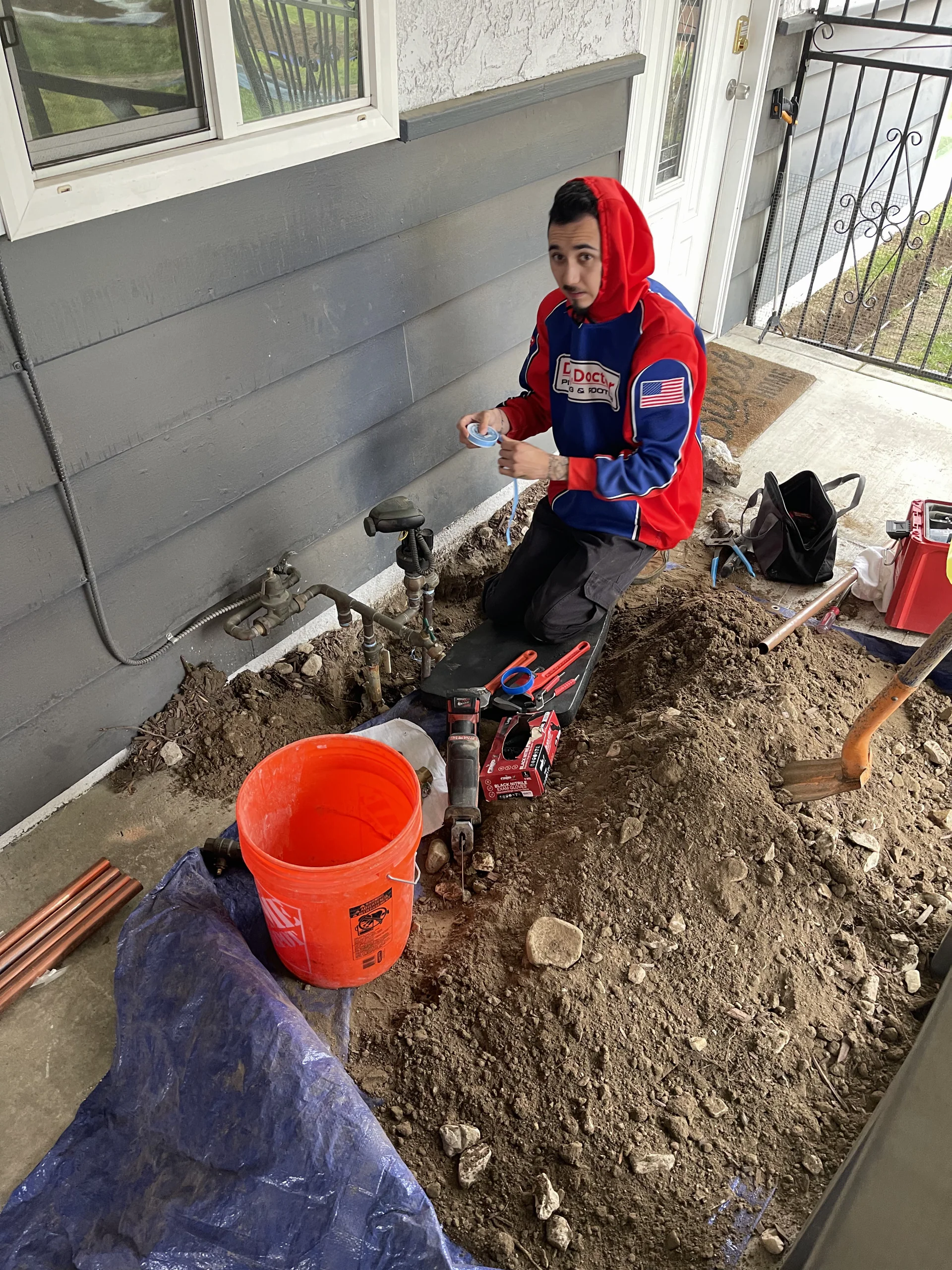
11. Outdoor plumbing problems from dry soil, heat, and irrigation wear
Outdoor plumbing takes a beating in California. Long dry stretches, heat, heavy irrigation use, and shifting ground can all stress pipes, spigots, valves, and sprinkler lines.
The trouble is easy to miss because most of it happens out of sight or during quick watering cycles when nobody is standing there watching.
Why the ground around your home matters
Soil expands and contracts depending on moisture levels. After long dry periods, the ground can shift. Then heavy watering changes the moisture balance again. That movement can stress buried water lines and irrigation piping.
It is subtle, but over time it matters, especially around older homes or landscapes that get frequent watering.
Common outdoor warning signs
Watch for soggy spots in the yard, unusually green patches, low sprinkler pressure, or a hose bib that leaks around the handle. Those are classic signs that water is escaping somewhere it should not.
A patch of grass that suddenly looks amazing compared to the rest of the yard is not always good news.
Quick checks that save hassle later
Do a seasonal walkaround of the yard and around the house. Peek into valve boxes if you have them. Watch the water meter after an irrigation cycle ends to see if usage stops the way it should.
These are small checks, but they can catch a buried leak before it turns into a trenching project.
12. Garbage disposal jams and kitchen drain trouble
Kitchen drain problems often start at the disposal, or at least seem to. The disposal hums but does not spin. The sink backs up with cloudy water. You hit the switch again and hope for a miracle. Usually, that is when things get messier.
Disposals handle soft food waste pretty well. The trouble starts when the wrong foods, too much material, or too little water create a clog chain farther down the sink line.
What usually causes a disposal to stop working
Jams are common, especially when something fibrous or hard gets caught. Overheating can shut the unit down temporarily, and sometimes the reset button trips. In older units, worn internal components can keep the disposal from spinning the way it should.
A humming disposal that does not turn is often jammed, not dead.
Foods and habits that cause repeat problems
Celery, onion skins, pasta, rice, grease, bones, and eggshells are all frequent troublemakers. So is cramming too much down at once or running too little water while the disposal operates.
The disposal is not a blender for every leftover in the fridge. Treat it like a helper, not a trash can.
When the disposal is not the real problem
Sometimes the disposal seems broken because the drain line beyond it is clogged. If the unit runs but the sink still backs up, the blockage may be farther down the pipe.
That distinction matters. Replacing a disposal will not solve a kitchen line clog lurking a few feet beyond it.
13. Main water line and pressure regulator problems
Some plumbing issues feel random until you realize the trouble starts before water even reaches your fixtures. Main water line and pressure regulator problems can affect the whole house at once, which is why they tend to be high-impact.
The pressure regulator is the valve that keeps incoming water pressure from getting too high. When that valve fails, the symptoms can get weird fast.
Signs the main line could be in trouble
A soggy area in the yard, a sudden drop in water pressure, discolored water, or a hissing sound near the supply line can all point to a main line issue. Because this line feeds the home, the effects often show up across several fixtures instead of just one.
If indoor plumbing acts off all at once, the source may be outside.
How pressure regulator issues show up indoors
Pressure that swings from weak to too strong is a classic sign. Banging pipes can happen when pressure spikes. Faucet and supply line leaks that keep returning can also trace back to pressure that is too high for too long.
Indoor symptoms often look unrelated until you connect them back to the regulator.
Why fast action matters
Supply-side issues can waste a lot of water quickly and put extra stress on multiple fixtures, valves, and appliances at the same time. Waiting too long can turn one failing component into several damaged ones.
This is a good example of a plumbing problem that gets more expensive the longer it sits.
14. Small warning signs that tell you It’s time to act
Most major plumbing repairs do not come out of nowhere. More often, you get a trail of smaller clues first. A gurgle here, a slow drain there, a little stain that keeps coming back. The trick is taking those signs seriously before the problem chooses the timing for you.
That is especially true with California home plumbing problems, because so many of them build slowly in the background.
The sounds, smells, and changes worth paying attention to
Gurgling drains, sewer odors, unexplained stains, steady drips, hot water that seems slower to recover, and a surprise spike in the water bill all deserve a second look. None of those signs guarantee a disaster, but none should be brushed off either.
Plumbing usually whispers before it shouts.
What you can check on your own in a few minutes
Test shutoff valves to make sure they actually turn. Check exposed pipes under sinks for moisture or corrosion. Clean aerators if pressure has dropped at a faucet. Watch the water meter when no water should be running.
Those simple checks will not diagnose every issue, but they can tell you whether a small annoyance is still small.
One smart next step to try this week
Pick one spot and give it a quick once-over: under the kitchen sink, around the water heater, or near the main shutoff. Ten quiet minutes spent looking now can save you from a much louder, wetter problem later.
- Disclaimer: This article is for general informational purposes only. It is not professional advice, a quote, or a service agreement. Conditions at your home or property may differ; contact a qualified professional for an on-site evaluation before making repair, safety, or spending decisions.
Disclaimer: This article is for general informational purposes only. It is not professional advice, a quote, or a service agreement. Conditions at your home or property may differ; contact a qualified professional for an on-site evaluation before making repair, safety, or spending decisions.