
The word trenchless can create the impression that a sewer repair happens entirely underground and leaves the property untouched. In reality, trenchless methods are designed to reduce excavation, not eliminate planning. We still needs to understand the pipe, choose suitable access points, account for utilities and structures, and decide how the work area will be restored. On San Gabriel Valley properties, the sewer route may pass beneath a driveway, mature landscaping, walls, or a narrow side yard. Those surface conditions can influence the approach even when most of the line is repaired without an open trench.
Before the Repair
A sewer camera inspection helps establish the location and condition of the line, but the camera footage needs context. The distance shown on the counter should be connected to a physical location on the property as accurately as practical. Pipe depth, direction, changes in material, and the condition of the connections can all affect whether lining, pipe bursting, a spot repair, or conventional excavation makes sense. Existing cleanouts and other possible access points should be located before the project is priced. If a new access pit is required, you should know where it is expected to go and what landscaping, paving, fencing, or finished area may be affected.
The repair method should fit the actual pipe problem. A line with a limited damaged section may not call for the same approach as a long run with repeated defects. Diameter changes, bends, connections, severe deformation, and the condition at each end may influence which trenchless methods are practical. We should explain why the recommended method fits the camera findings and what portion of the sewer will be addressed. You should also know whether roots, scale, debris, or another obstruction must be cleared before the repair can proceed. That preparation is part of the project plan, not a detail to discover on installation day.
During the Work
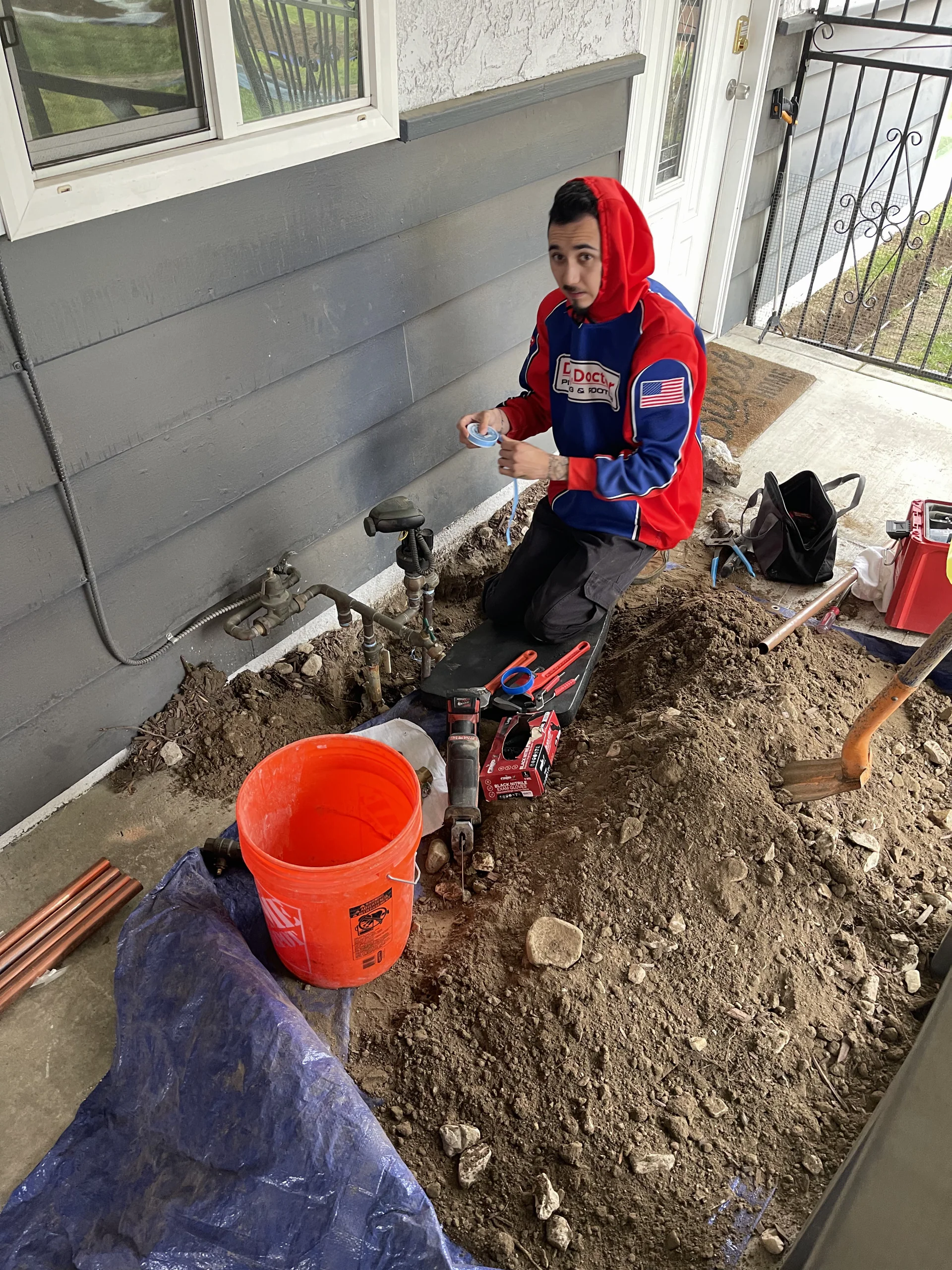
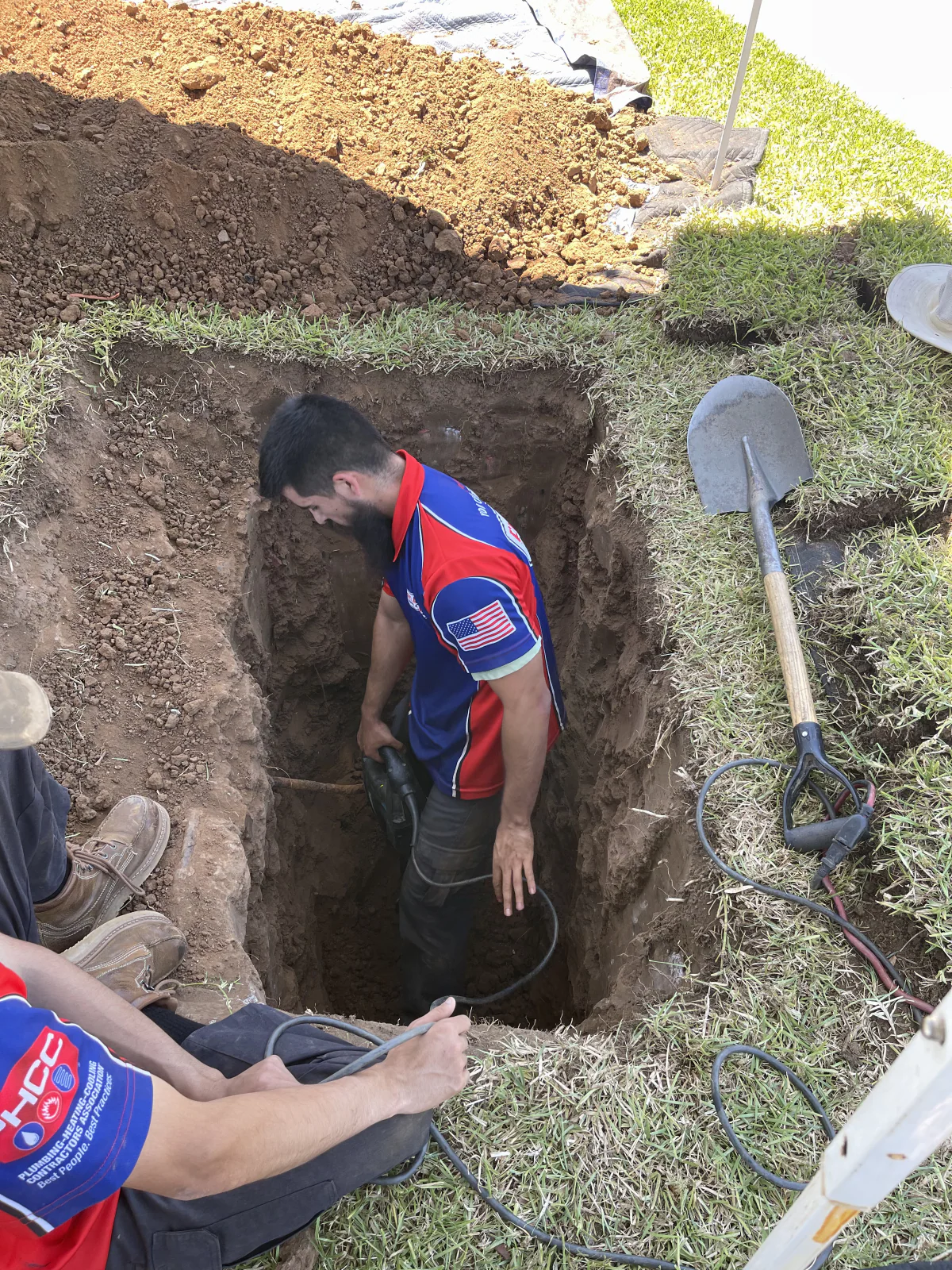
The working area needs enough room for the equipment, pipe, crew, and safe movement of material. That can be a meaningful constraint on a tight lot even when the repair itself is underground. Utility locations should be addressed before excavation, and the planned entry and exit points should be confirmed against the camera findings. We should also explain what would cause the method or scope to change after access is opened. A collapsed section, an unsuitable connection, or a condition that was not visible during the initial review may require a different approach. Stating those possibilities clearly is not the same as assuming they will occur.
After the Repair
The closeout should document what section was repaired, the method used, and the condition observed after completion. If a final camera inspection is part of the work, you should receive a clear explanation of what it shows. Surface restoration should also be defined rather than left to assumption. Replacing removed soil is different from restoring specialty paving, mature plantings, decorative stone, or a finished driveway. If another contractor will handle part of that work, the handoff should identify the limits so the property owner knows who is responsible for the final appearance.
Future access should not disappear during restoration. A cleanout or other service point that is buried beneath new landscaping, concrete, or a wall may make the next inspection or maintenance visit unnecessarily disruptive. If the project creates or changes an access point, the final location should be recorded and kept reachable. A simple sketch, measurement from a fixed feature, and clear photograph can be more useful than a close-up image with no sense of place. That record should stay with the property so a future owner or plumber does not have to rediscover the route from the beginning.
Comparing repair options should include disruption as well as the pipe work itself. One method may preserve most of a driveway but require access in a planting bed. Another may create a smaller plumbing scope while leaving more surface restoration for later. The useful comparison identifies the section of pipe addressed, expected access points, preparation, restoration limits, and the way completion will be verified. That allows you to compare real project outcomes instead of assuming the option with less visible excavation is automatically the least disruptive in every respect.
Trenchless sewer repair can reduce disruption, but its success still depends on accurate information and realistic access. A good proposal connects the underground findings to the conditions above the line. It identifies where work will occur, what will be protected or removed, what could change the plan, and how the result will be checked. That gives you a fair way to compare trenchless methods with other repair options without treating the word trenchless as a promise that no part of the property will be touched.