Plumbing is easy to ignore until the toilet starts gurgling at 7 a.m. or the kitchen sink turns into a slow, murky pond. Once you understand the basics, though, your home stops feeling like a mystery box and starts making a lot more sense. Plumbing is the system that brings clean water into your home, moves wastewater out, and connects the fixtures you use every day.
Here’s what you’ll learn in this guide: - How your plumbing system works - Which parts matter most - What common fixtures do - Early warning signs to watch for - Simple maintenance that actually helps - Safe DIY fixes for small problems - When to call a plumber
How your home plumbing actually works
Most of the time, plumbing stays invisible. You turn a handle, water comes out. You flush, and everything disappears. The catch is that your home is doing two jobs at once, and both have to work properly for the system to feel “normal.”
One side brings fresh water in for drinking, bathing, cleaning, and cooking. The other carries used water back out. If either side fails, you notice fast.
The two sides of plumbing: supply and drain
The supply side is the pressurized part of your plumbing. It pushes water through pipes to faucets, toilets, showers, appliances, and the water heater. That pressure is why water comes out right away when you open a tap.
The drain-waste-vent side works differently. It mostly relies on gravity to move wastewater down and out through drain pipes. Vents, which usually run up through the roof, let air into the system so drains flow smoothly instead of glugging like an upside-down bottle.
The main parts you should recognize
A few names are worth knowing. Shutoff valves stop water to a sink, toilet, or your whole house. Supply lines are the small pipes or hoses that carry clean water to fixtures. Drains carry wastewater away, and traps, usually the curved P-shaped pipe under a sink, hold a small amount of water to block sewer gas.
You should also know where your water heater is, since it supplies hot water throughout the house. Your sewer line carries all wastewater out to the city sewer or septic system. Fixtures are the visible parts you use every day, like sinks, toilets, tubs, and showers. Once you can spot these parts under a sink, behind a toilet, or in the garage, plumbing gets a lot less intimidating.
The plumbing fixtures you use every day
You do not need trade-school detail to understand your fixtures. You just need enough knowledge to notice when something is off and describe it clearly.
Sinks, faucets, and drains
Your faucet mixes hot and cold water, the aerator at the tip smooths the flow, and the supply lines feed water up to the fixture. Below the sink, the drain sends water into the P-trap, then into the branch drain inside the wall.
Common problems here are familiar: drips, slow drains, clogs, and bad smells. A dripping faucet often means a worn washer or cartridge. A slow drain usually means hair, soap, grease, or food buildup. A smell under the sink can point to a dry trap, buildup in the drain, or a leak starting inside the cabinet.
Toilets, showers, and tubs
A toilet tank looks simple, but a few parts do most of the work. The fill valve refills the tank after a flush, and the flapper lifts to release water into the bowl. If the toilet keeps running, the flapper is often the first thing to blame.
Showers and tubs have valves that control water flow and temperature, plus drains that can clog with hair and soap scum. A leak around a toilet base can mean a failed wax ring. Weak flushing, low shower pressure, or water sneaking where it should not are all signs to pay attention to, not “wait and see” problems.
Water heaters and appliances
Your water heater stores and heats water so showers, sinks, dishwashers, and washing machines can use it. If hot water suddenly disappears, or the heater starts making popping sounds, something needs attention.
Appliances have plumbing connections too. Washing machine hoses can split. Refrigerator water lines can leak behind the unit. Dishwashers can back up if the drain line has a problem. Garbage disposals jam when scraps that should have hit the trash get packed inside instead.
Plumbing problems you can catch early
Small plumbing problems have a bad habit of becoming expensive ones. A little awareness goes a long way.
Signs of a leak
Leaks do not fix themselves. If you hear dripping in a quiet room, notice water stains on a ceiling, smell something musty under a sink, or find a cabinet floor starting to warp, treat that as a real problem.
A rising water bill is another giveaway. So are damp spots near baseboards, soft drywall, or flooring that feels slightly spongy. By the time water is visible, damage may already be spreading behind the scenes.
Signs of a drain or sewer problem
One slow sink is usually a local clog. Multiple slow drains at the same time are a bigger warning. If the toilet gurgles when the shower drains, or wastewater backs up into a tub or floor drain, the issue may be farther down the line.
Sewage smells matter too. Healthy drains should not make your house smell like a sewer. If that odor shows up along with backups or standing water, think beyond the nearest fixture.
Signs of water pressure trouble
Low pressure can come from mineral buildup, partially closed valves, leaks, or aging pipes. If only one faucet is weak, the problem is often local. If the whole house changes suddenly, that points to something bigger.
Listen for hammering pipes too. That banging sound after shutting off a faucet means water is stopping too abruptly. Sputtering faucets can mean trapped air or a supply issue.
Simple plumbing maintenance that pays off
Good plumbing maintenance is not a weekend project. It is a short routine, more like checking the batteries in a remote than rebuilding an engine.
Your basic monthly plumbing check
Once a month, take a few minutes to look under sinks for drips, corrosion, or swelling in the cabinet floor. Check around toilet bases for moisture. Run faucets and listen for odd noises. Glance at the water heater area for rust, dampness, or puddles.
The trick is consistency. Two minutes in the hallway bathroom before work can catch a leak before it turns into damaged flooring.
What should never go down the drain
Drains are not trash cans. They are more like narrow hallways, and once too much stuff gets stuck, nothing moves well after that.
Keep grease, coffee grounds, wipes, paper towels, hygiene products, and heavy food scraps out of drains and toilets. Be careful with chemical drain cleaners too. Mixing harsh products can damage pipes and make a simple clog nastier to deal with.
Easy habits that extend the life of your system
A few habits pay back for years. Use drain strainers in showers and kitchen sinks. Fix small drips early instead of letting them run for months. Avoid cranking faucet handles too hard, since that wears parts out faster.
If your water heater needs periodic flushing, stay on schedule. If pipes are exposed in a garage or crawl space, insulation helps protect them during cold snaps. None of this is flashy, but it works.
Plumbing fixes you can usually handle yourself
Some plumbing jobs are perfect DIY territory. The key is knowing the difference between a manageable annoyance and a repair that can get expensive fast.
How to shut off water fast
Find the shutoff valves under your sinks and behind your toilets before anything leaks. Then find the main house shutoff valve. If a supply line bursts or a toilet will not stop running, this saves time and damage.
This is the first plumbing task worth doing, even if nothing is wrong today. In an emergency, guessing is a terrible plan.
Clearing a simple clog
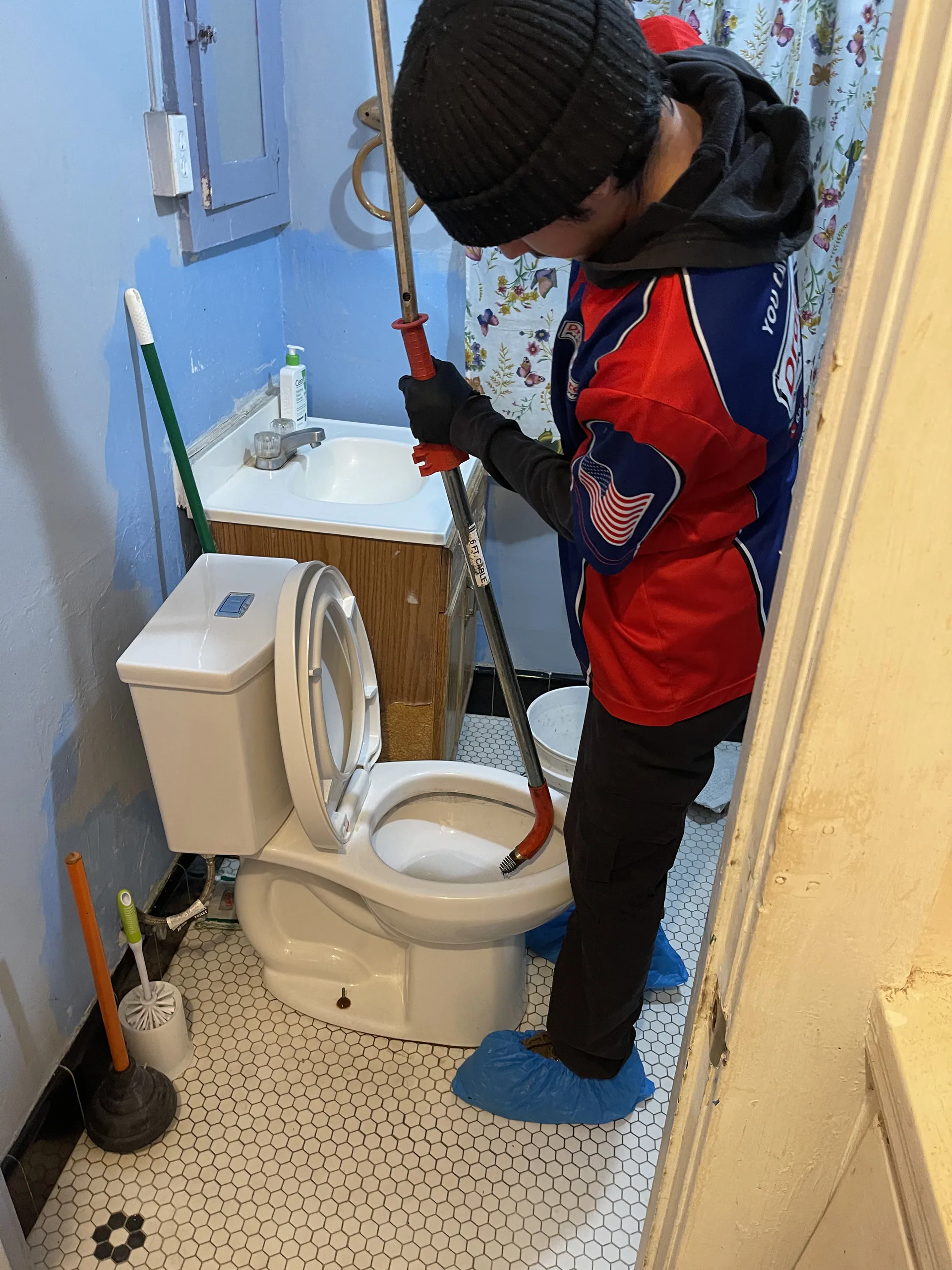
For a sink or tub clog, start simple. A plunger often works better than people expect. If that fails, removing debris from the drain opening or using a hand snake can clear buildup without abusing your pipes.
If one sink is draining slowly, that is usually a local clog. If several fixtures are backing up together, stop there. That is not the moment for more chemical cleaner.
Fixing common small issues
A lot of common fixes are surprisingly manageable. You can swap a showerhead, clean a faucet aerator, tighten a loose handle, replace a toilet flapper, or reset a garbage disposal with the button on the bottom of the unit.
These are good beginner repairs because the parts are inexpensive and the risk is low. If a fix involves opening walls, cutting pipe, or chasing a hidden leak, that is a different category.
When It’s time to call a plumber
DIY is great until it stops being smart. Some problems need fast, skilled help.
Problems that need professional help right away
If water is spreading, speed matters more than guesswork. Burst pipes, sewage backups, no water service, no hot water with signs of heater trouble, slab leaks, recurring clogs, and leaks inside walls all deserve prompt professional attention.
The same goes for backups that keep returning after plunging or snaking. Temporary relief is not the same as a real fix.
Questions to ask before booking service
Before booking service, ask if the plumber is licensed in California, what the likely scope of work is, how soon the job can be done, and what cleanup is included. Ask if parts are stocked for common repairs and whether a repair makes sense or replacement would save money over time.
That last question matters. A cheap fix on a failing water heater or badly corroded pipe can turn into paying twice.
Plumbing basics that save you money over time
Knowing basic plumbing changes the way you handle your home. You catch trouble earlier, describe problems more clearly, and avoid that panicked feeling when a leak shows up out of nowhere.
That is where simple knowledge pays off. Start with one thing today: find your main shutoff valve and make sure you can reach it fast. That one move can save a lot more than money.
- Disclaimer: This article is for general informational purposes only. It is not professional advice, a quote, or a service agreement. Conditions at your home or property may differ; contact a qualified professional for an on-site evaluation before making repair, safety, or spending decisions.
Disclaimer: This article is for general informational purposes only. It is not professional advice, a quote, or a service agreement. Conditions at your home or property may differ; contact a qualified professional for an on-site evaluation before making repair, safety, or spending decisions.