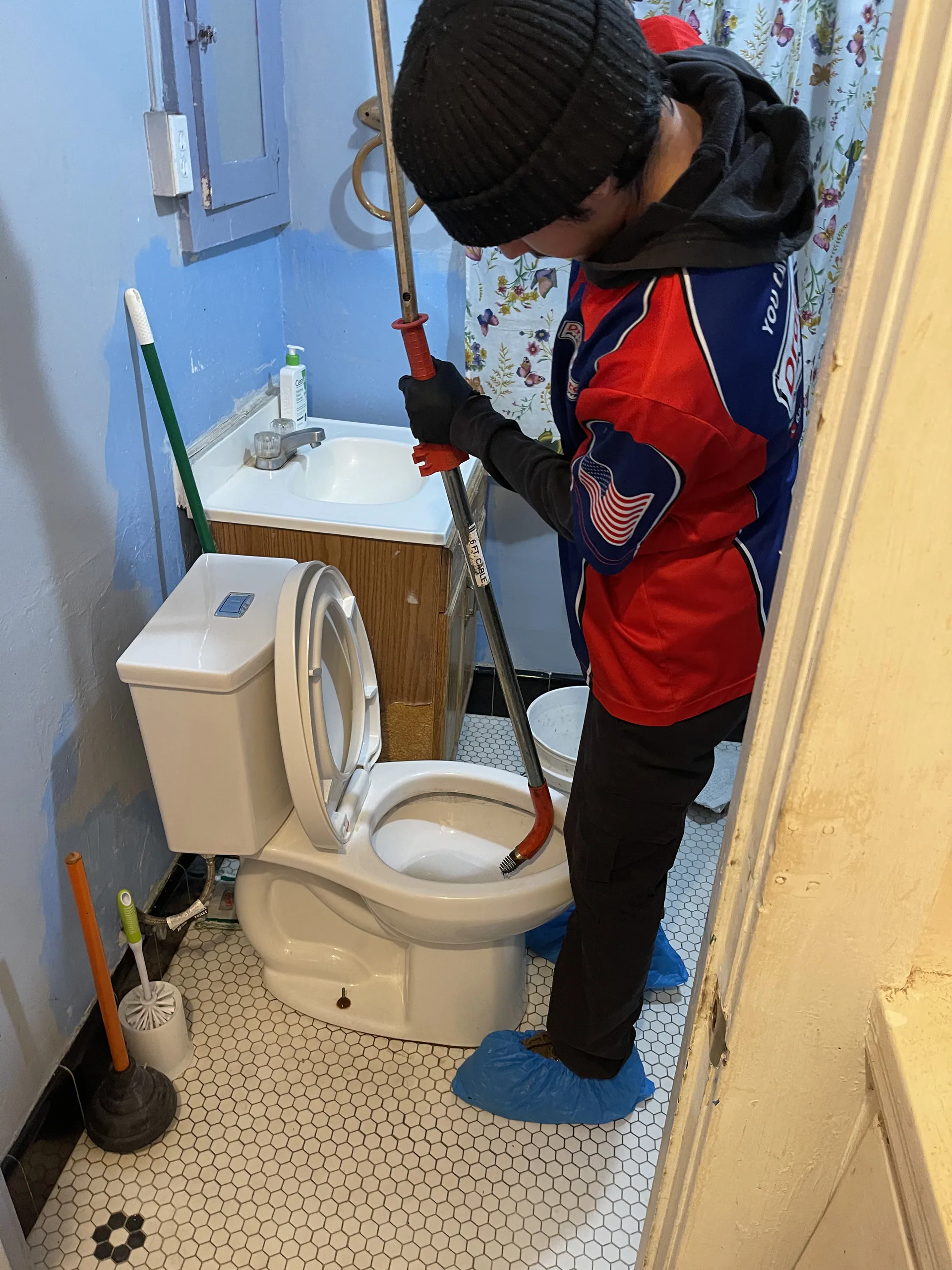
During the dry months, you should test every faucet, pipe and sprinkler. The goal is to use less water, without feeling like you live under a faucet ban, by making small habit changes and a few smart upgrades that reduce waste, steady your bill and protect your landscaping. The team at Drain Doctor Plumbing & Rooter in Covina, CA can help you pick which repairs offer the best return on investment for your home.
1. Track Down Hidden Leaks Before They Drain Your Budget
Leaks love the quiet spots you rarely check. A toilet that runs slowly can waste hundreds of gallons fast. A split drip line under mulch can soak the yard all afternoon.
Start by checking your water meter. Pick two hours when no one uses water. Check the meter at the start and again at the end. If the number goes up, you have a leak somewhere.
Next, test the toilets. Put a few drops of food coloring in the tank and wait 10 minutes without flushing. If you see color in the bowl, the flapper is worn and needs to be replaced.
Outside, look at the hose bibs. Damp concrete or a dark stain below the spigot means a slow leak. Inside, check under sinks with a flashlight. Look for white mineral streaks, swollen wood or a musty cabinet bottom.
2. Irrigation: Water Plants, Not Pavement
Most wasted water happens in the yard. Sprinklers that spray sidewalks and driveways are a common cause. Aim heads so water lands on grass and plants only, and overlap just enough to cover dry spots. Drip lines work better than spray in garden beds because water goes straight to the roots.
Time your watering, too. Early morning cuts evaporation and, as the sun comes up, helps dry leaves. Use shorter cycles more than once instead of one long run. If puddles form, the soil cannot absorb such a large amount at once. Split the schedule into two shorter sessions. Walk the yard now and then. Replace broken nozzles and clean drip line screens so pressure stays even across the zone.
3. Smarter Fixtures Inside the Home
Old fixtures waste water. An older showerhead can expend five gallons a minute. A WaterSense showerhead uses much less water while still providing a comfortable experience. Bathroom faucet aerators mix in air so you get a strong stream with less water. In the kitchen, a pull-down sprayer lets you switch from rinse to stream fast so water runs only when you need it.
Toilets matter even more. A modern dual-flush toilet uses a smaller amount for liquids and more for solids, which cuts water use every day. If you cannot replace a toilet yet, install a new flapper and fill valve. That simple fix stops a toilet from running longer than it should.
4. Laundry and Dishes Without the Waste
Washers and dishwashers move a lot of water each week. Run full loads and pick the most efficient cycle that still cleans well. Many machines have an eco cycle that uses cooler water and a longer soak to lift dirt with less water. Skip pre-rinsing dishes under the tap. Scrape plates and let the dishwasher’s filter do its job. If dishes come out gritty, clean the filter and spray arms to ensure water reaches every surface.
For laundry, use high-efficiency detergent and measure it. Too much soap makes the washer rinse longer, which wastes water. Look behind the washer at the supply hoses. If you see bulges or cracks, replace them with braided stainless lines that are less likely to burst.
5. Pressure, Softeners and Hidden System Settings
High water pressure wastes water at every faucet. A pressure regulator on the main line, set around 50 to 60 pounds per square inch, keeps the flow strong without splashing. If you have a softener, check how often it regenerates. If it cycles too often, it uses extra water. A simple test kit or a quick professional check helps set it correctly. Your water heater setting matters too.
If the temperature is set very high, people mix more cold water at the tap and let the water run longer. Set it to a steady, moderate level that fits your daily use. That small change cuts waste every time someone turns on the hot water.
6. When Pro Service Makes the Difference
Some fixes pay off more when a pro handles them. A licensed plumber can install a high-efficiency toilet and set the fill level right. They can check supply lines and valves, swap old shutoffs for quarter-turn valves that close tightly and repair leaking irrigation valves underground. A backflow test confirms that outdoor systems protect your drinking water.
Save Water During the Dry Season in Covina
Saving water starts with small checks and steady habits, then grows with smart upgrades that match your home. Leak repairs, fixture replacements and irrigation adjustments cut waste and protect your property through long, dry stretches.
If you want help with leak detection, fixture upgrades or irrigation inspections, Drain Doctor Plumbing & Rooter can handle the work and fine-tune your system for the season. Ready to lower your bill and stretch every drop? Book your water-saving visit with Drain Doctor Plumbing & Rooter today.